Plant dietas · guide

Plants of Dos Mundos


More than fifty plants and remedies that we work with at the center, as maestro don Pepe describes them. Which plant a person needs, and when, is always decided individually, on site.

Plant dietas

53 plants

The foundation of cleansing

The path usually begins with these: cleansing the body and driving out the cold.

Ayahuasca

Ayahuasca

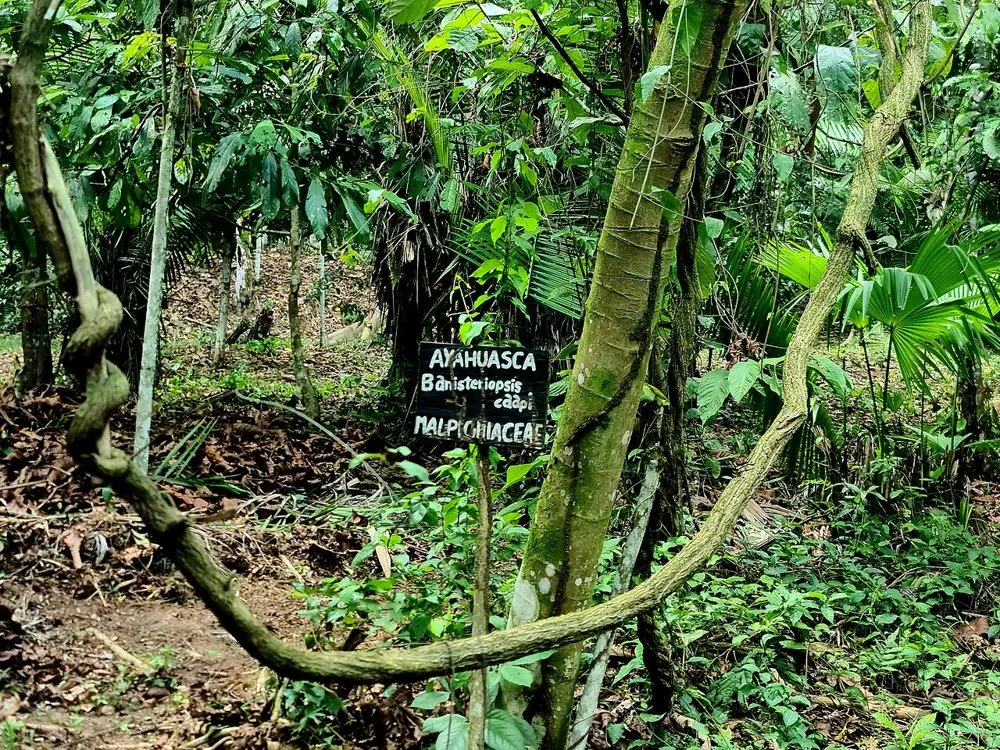
Yagé · Banisteriopsis caapi

The main vine of the Amazon; the center grows nine varieties of it. According to the maestro, ayahuasca cleanses the body, mind and aura of energetic parasites, mucus and blocks, and helps normalize circulation and restore the neurons of the brain.

In some cases the yagé vine is added to pure ayahuasca so that the cleansing goes deeper.

At our center

At Dos Mundos we drink pure ayahuasca, without chacruna, including as a tea, the way the ancestors did.
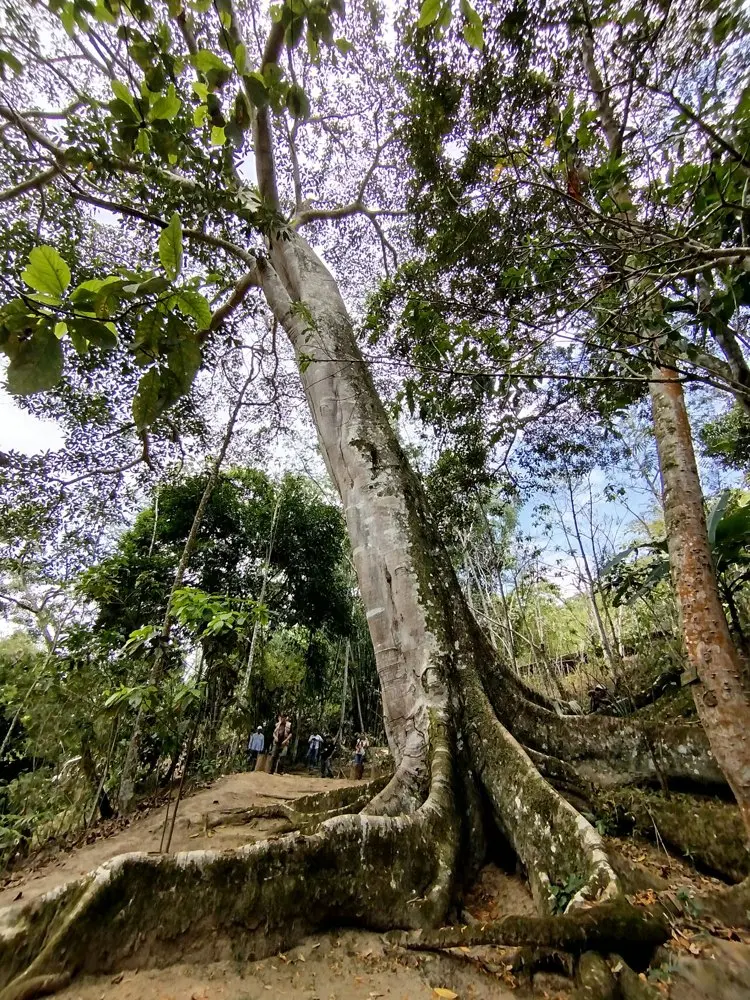
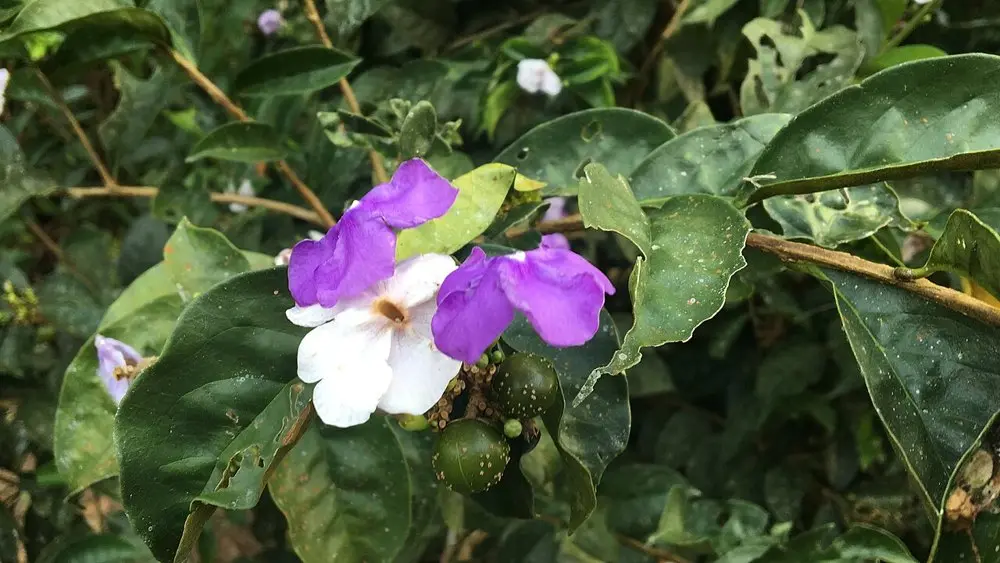
Ojé

Ojé

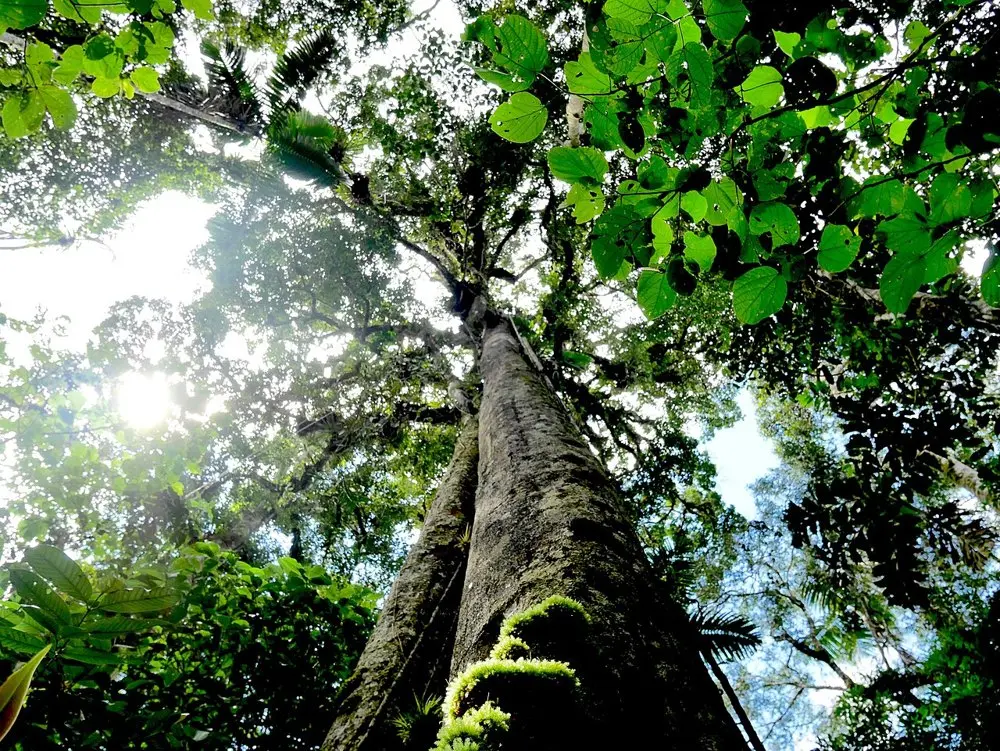
Ojé · Ficus insipida

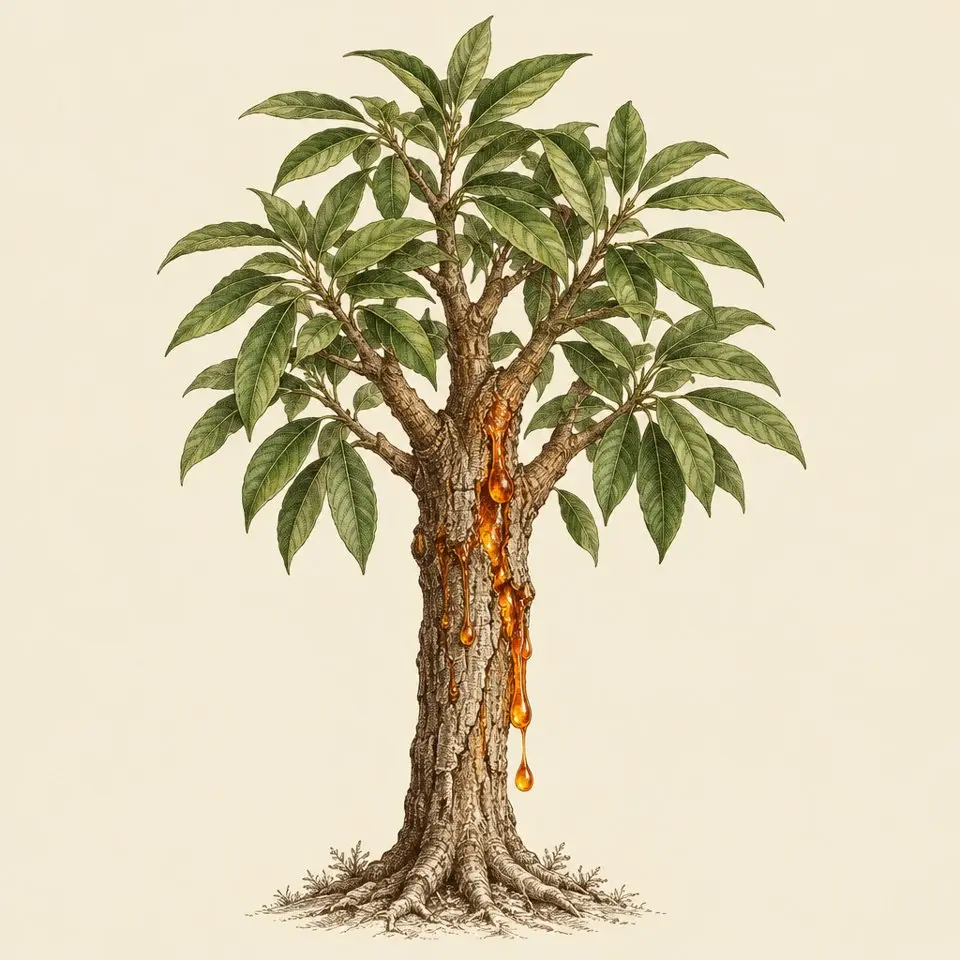
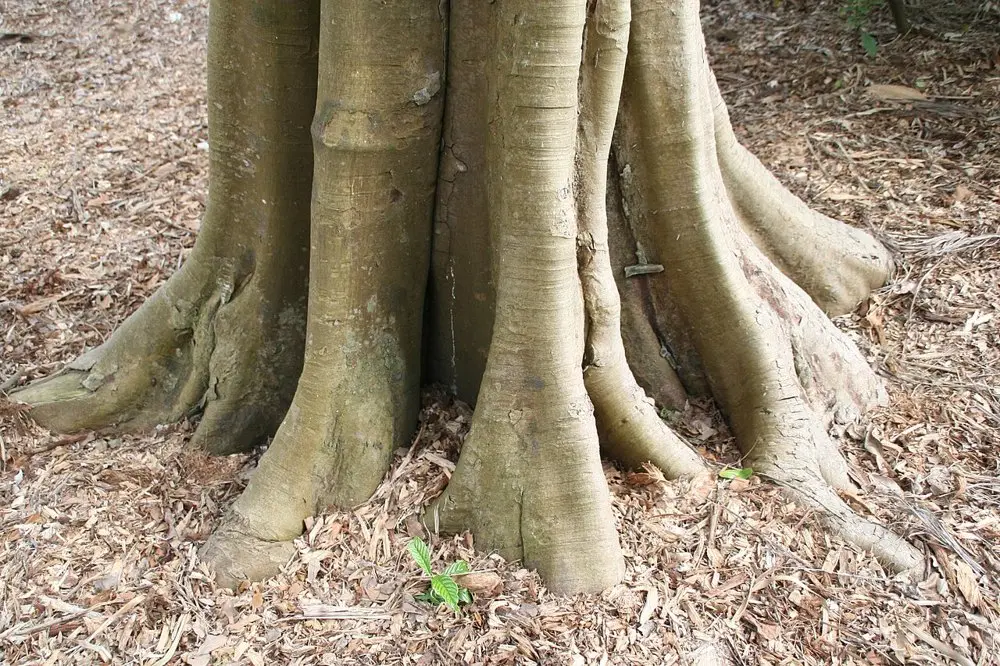
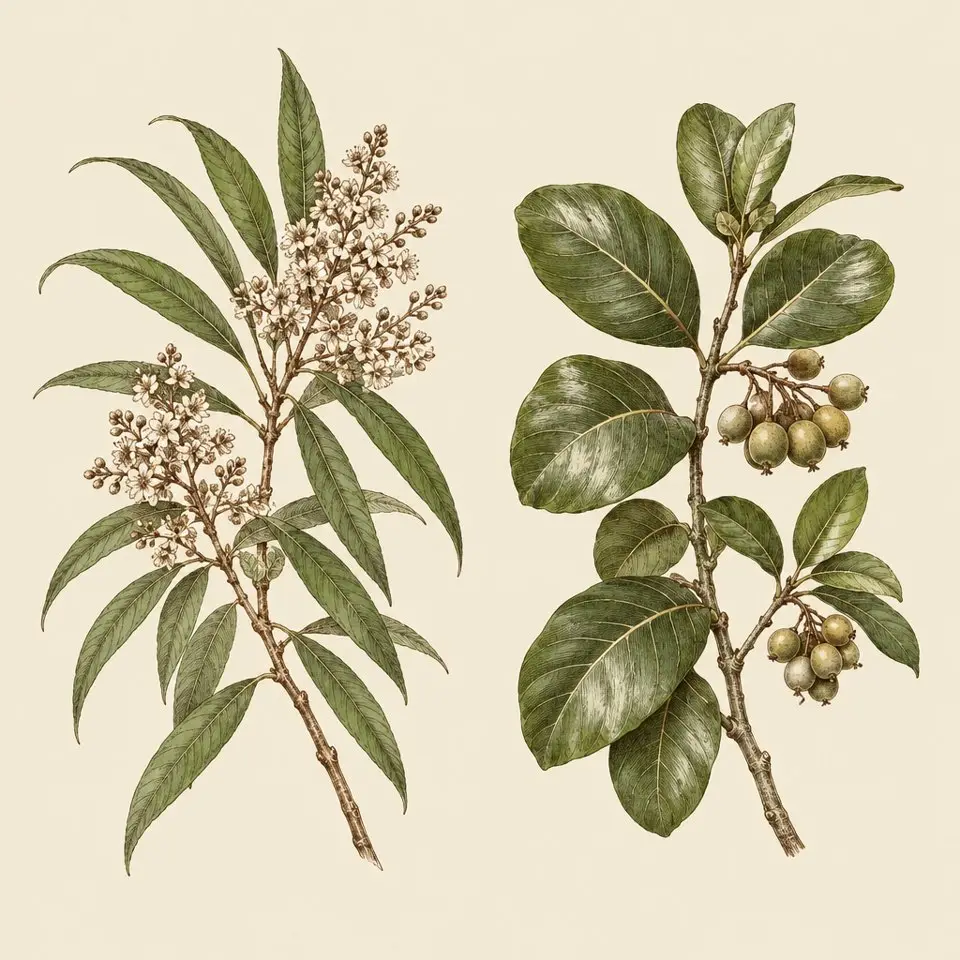
The white, milky sap of a giant tree of the Amazon. There are broad-leaved and narrow-leaved varieties of ojé. Traditionally it is used for deep cleansing and renewal of the blood, and for clearing “deep cold” and parasites.

In the usual tradition, ojé is followed by a strict dieta of one to three months without other herbs. Because ojé is so strong, on a half-dieta it is taken diluted with water, and only for a very short time.

At our center

The “8-day bridge”: thanks to the maestro’s work with energies, ajo sacha and uchu sanango are added just 8 days after ojé. The work of ojé continues inside while the new plants are layered on top, which saves months.

Uchu sanango and chiric sanango

Uchu sanango and chiric sanango

Uchu Sanango · Chirik Sanango

Master plants of the sanango family. According to the maestro, they mobilize life energy, “burn out” age-old cold from the bones, joints and internal organs, relax and widen the energy channels, support the nervous system, help release deep fears and open subtle perception.

The ancestors might drink a whole bowl of chiric sanango at once, lie in a fever for 2–3 days, and only then begin the dieta. People today cannot handle such a shock dose, so the center uses a gentle, measured method of dieting. According to the maestro, the immersion is no less deep than with ayahuasca.

Ajo sacha

Ajo sacha

“Wild forest garlic” · Ajos sacha · Mansoa alliacea

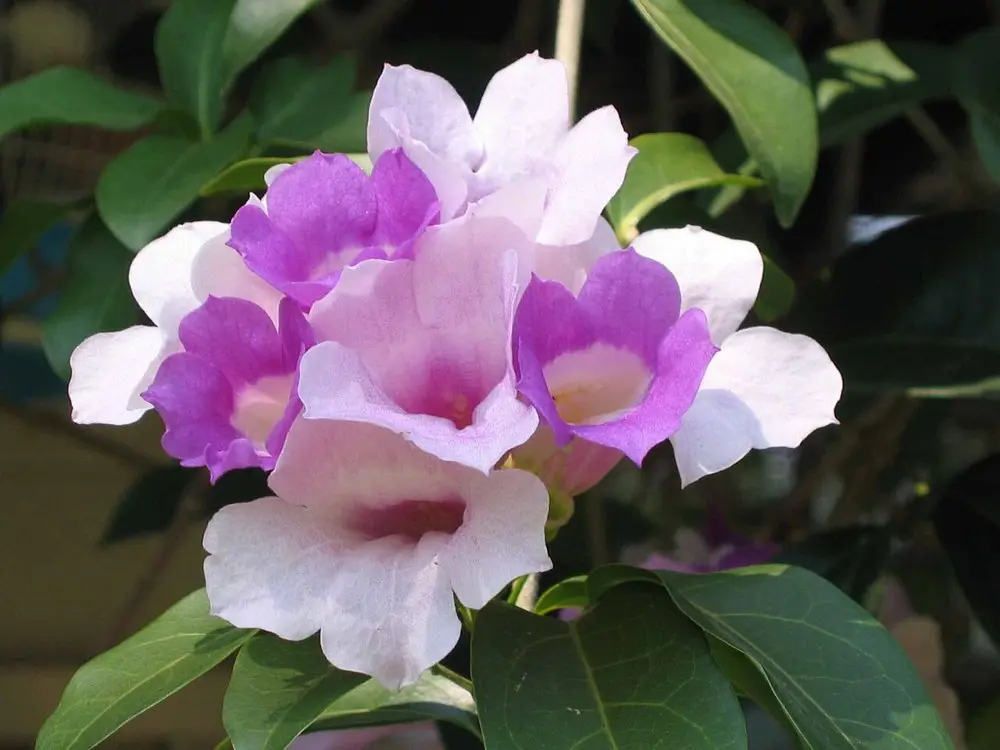
The wild forest garlic of the Amazon. According to the maestro, it cleanses the blood, vessels and respiratory system, drives out cold, strengthens immunity, centers the will and cleanses the auric field.

At the center it is added to the dieta together with uchu sanango 8 days after ojé.

Fine work and the “final polish”

High-vibration plants for fine work, once the body has grown stronger.

Camalonga

“Mountain sarsaparilla of the Andes” · Strychnos

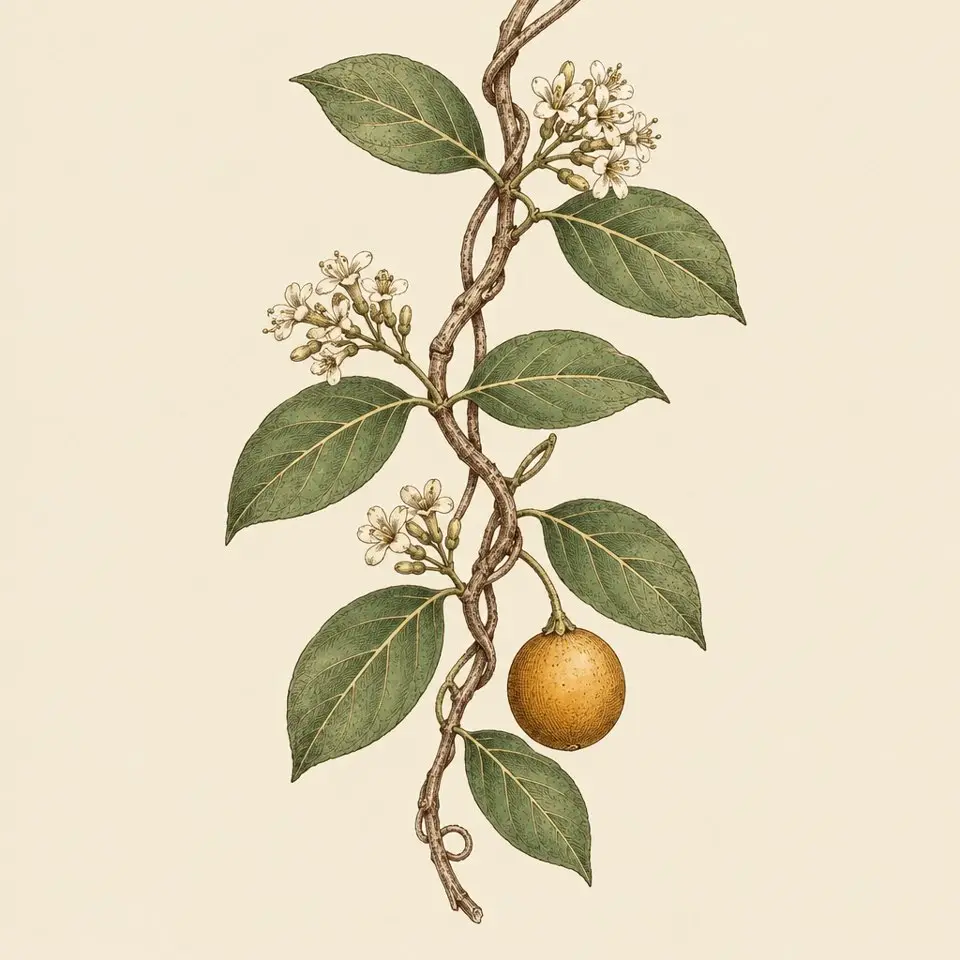
A revered high-vibration plant from the mountain region of Huancabamba. It comes to a person according to the vibrational level they have built up. According to the maestro, it strengthens the whole energetic structure, helps a person release blocked emotions and free themselves from foreign energetic “chips” and entities.

Thanks to its natural bitterness, camalonga is associated with cleansing and rejuvenating the liver; it also awakens the dormant abilities of the soul.

At our center

Unlike curanderos, who make an alcohol tincture, the center uses a pure water-based preparation.

Sarsaparilla (zarza)

Sarsaparilla (zarza)

Sarsaparilla · Zarza · “Amazonian regenerator” · Smilax

A powerful, all-round plant for deep physical and energetic restoration and for cleansing the blood. It engages the emotional field less: it works on the fundamental rebuilding of the body’s physical and energetic makeup.

Sarsaparilla is a slow, thorough plant. It needs to be followed by a long, gentle post-dieta.

Tree of Life

Árbol de la Vida · Indian spicy sarsaparilla · Zarza Picante

A sacred tree from India with a fiery energy. For the dieta, about 30 drops of the fiery resin are diluted in a liter of water; a single undiluted drop on the tongue burns for about two hours.

According to the maestro, when a person merges with the plant in the right way, it works with the most stubborn, long-standing conditions.

Chuchuhuasi

Chuchuhuasi

Chuchuhuasi · Clavo Huasca · Murure · Maytenus laevis

A towering tree of the Amazon. The ancestors cut the bark only from the east (sunrise) and west (sunset) sides of the trunk, keeping the tree alive. The root or the second, inner layer of the bark is used.

In a dieta it is paired with clavo huasca, or taken as a trio with cumaceba and murure. These are tonic plants: they give inner steadiness and muscle tone, “defeat laziness,” drive out cold and support the joints and bones.

Toé

Toé

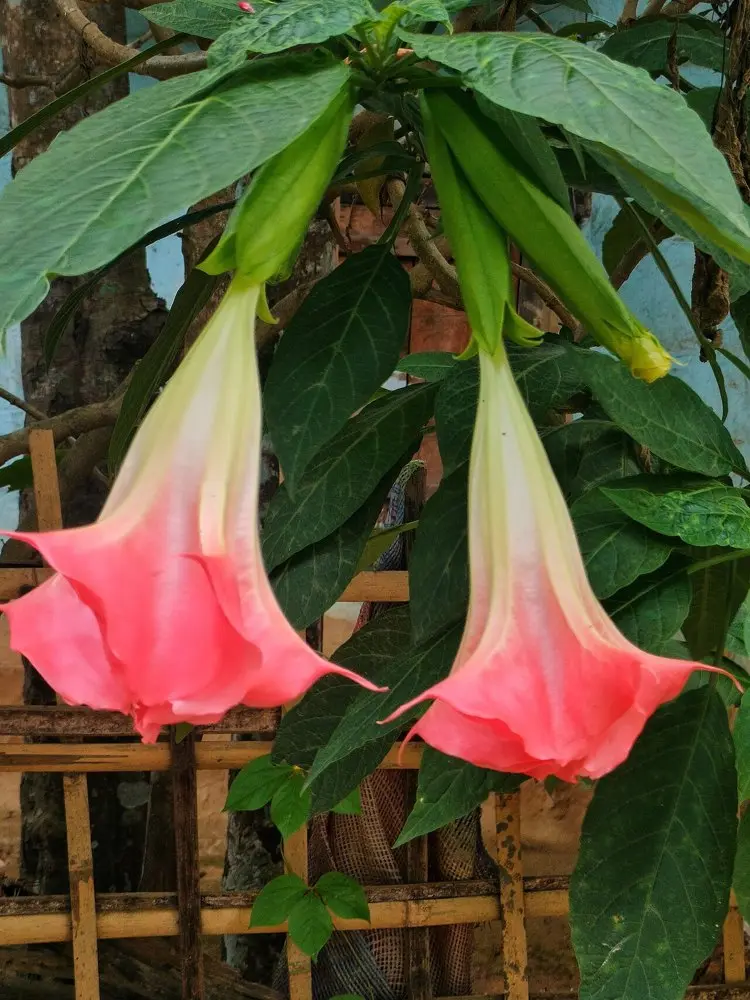
Angel’s trumpet · Toé · Brugmansia

Toé works in two completely different ways. In a ceremony it is given once, in a high concentration: the plant acts on the pineal gland, switches off conscious awareness and takes the person into a deep unconscious state, where the work with the subconscious takes place.

In a dieta at Dos Mundos, toé is taken for 15 days, as a strictly measured dose of root or stem. Throughout this time the person keeps full awareness and control and practices holding balance and calm, while the plant, according to the maestro, gently clears deep cold, supports the nervous system, digestion and circulation, and expands subtle perception.

At our center

Toé is dieted only under the constant attention of the maestro.

Belladonna

Belladona

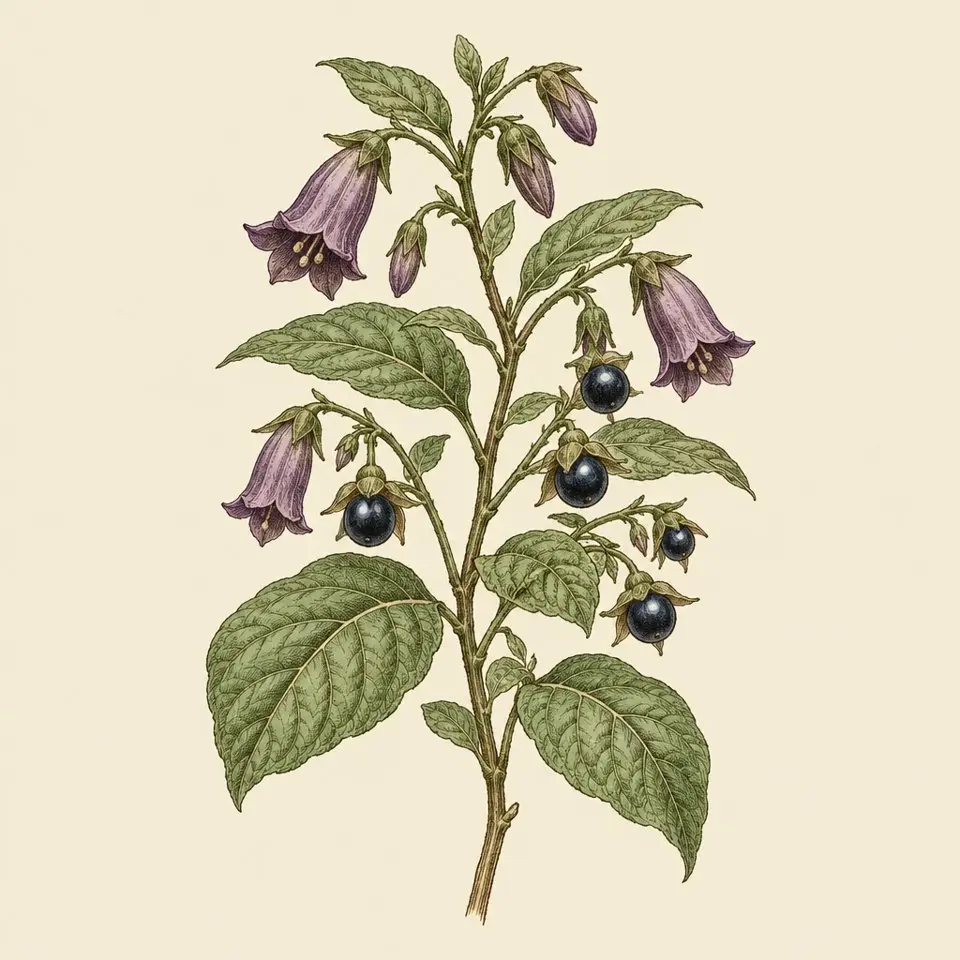
A rare plant, both “calm” and “jealous” (planta celosa), that in microdoses and under the maestro’s supervision deeply relaxes the nervous system and the energy channels.

Trees, resins, palms and vines

Sacred fig trees, healing resins, and the palms and vines of the forest.

Renaco and renaquilla

Renaco and renaquilla

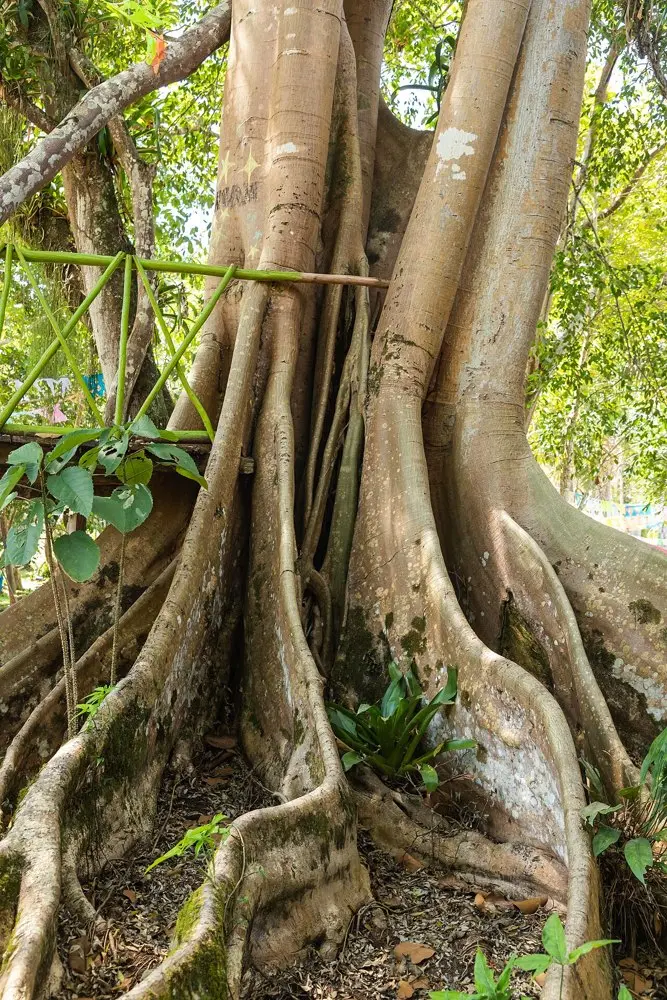
Renaco · Renaquilla

Sacred fig trees which, according to the ancestors, “keep everything and heal everything.” The maestro associates them with restoring joints and cartilage, opening subtle perception and heightening awareness.

Manchinga and llanchama

Manchinga and llanchama

Manchinga · Llanchama · Brosimum

Healing tree resins. Manchinga builds an “unbending” inner energetic steadiness. Together with llanchama, it is associated with restoring the joints and skin, supporting the female reproductive system, and with a rejuvenating effect.

Asaí and huasaí

Asaí and huasaí

Asaí · Huasaí · Euterpe precatoria

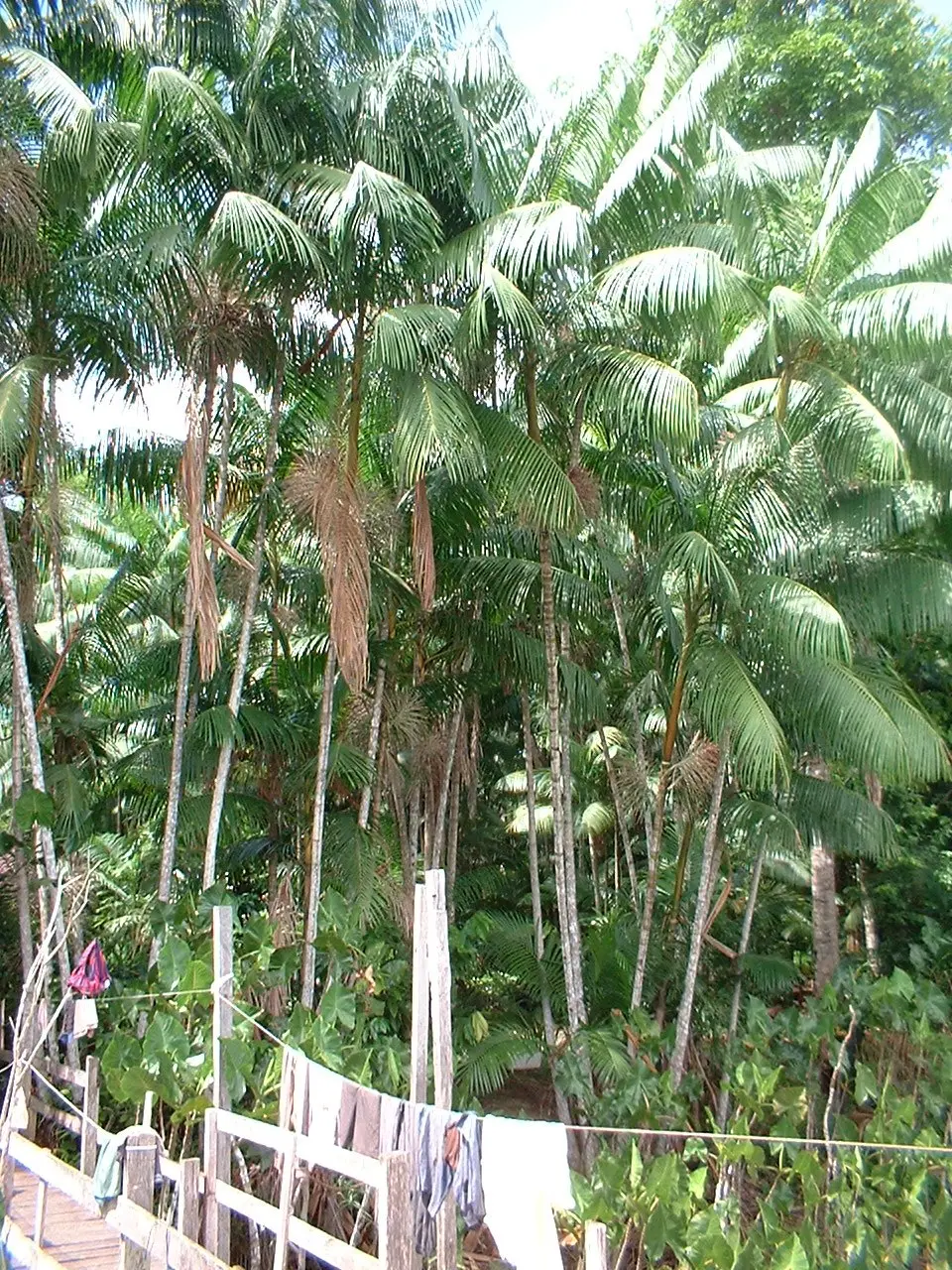
The fruits (asaí) and roots (huasaí) of the same palm. Every leaf and fruit of the palm carries all five elements, which is why in a dieta asaí reveals itself as a teacher plant; according to the maestro, it can alter the state of consciousness.

According to the maestro, the natural oil of the fruits lubricates and strengthens the blood vessels, relaxes the channels and lowers body temperature. Traditionally, huasaí roots are used to work with the kidneys.

Abuta

Abuta

Abuta · Cissampelos pareira

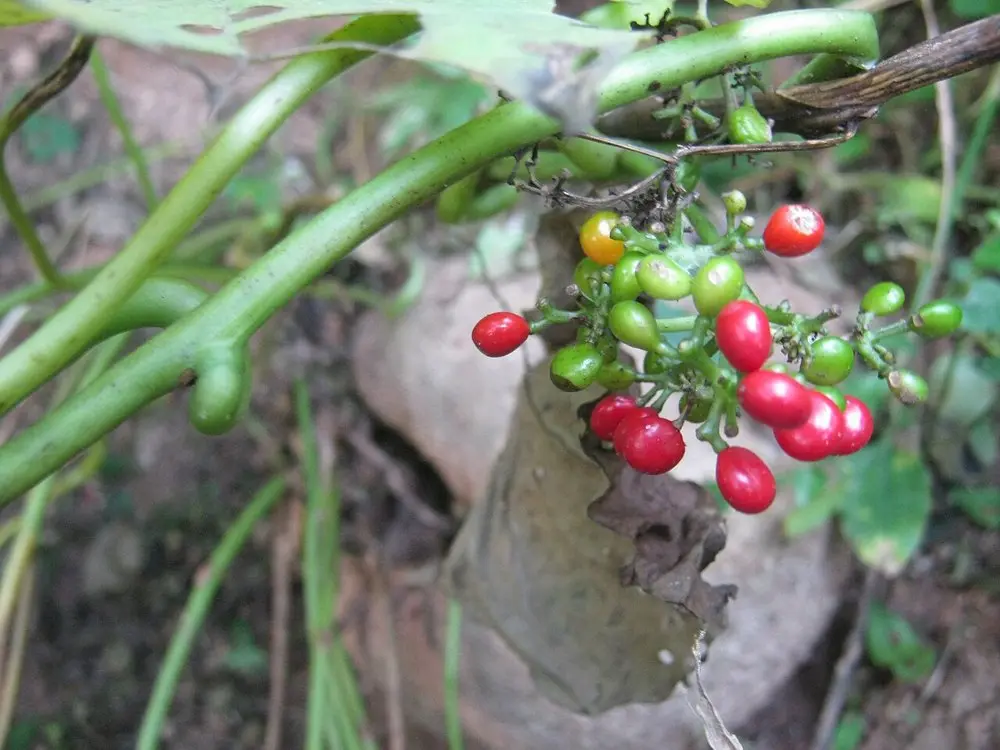
A bitter vine of the jungle. Traditionally it is a plant for the liver and joints, and for restoring the gut flora.

Cumaceba and huayra caspi

Cumaceba · Huayra Caspi

Cumaceba works with the bones and the reproductive system. Huayra caspi cleanses the mental field, relieves “heart overload” and harmonizes the movement of the inner winds.

Mucura

Mucura

Mucura · Petiveria alliacea

Strengthens the nervous system, heart, lungs and the protective field.

On a half-dieta at home, the small fresh root or a finely ground root powder is used, combined with ajo sacha and ginger (kión).

Tangarana

Tangarana

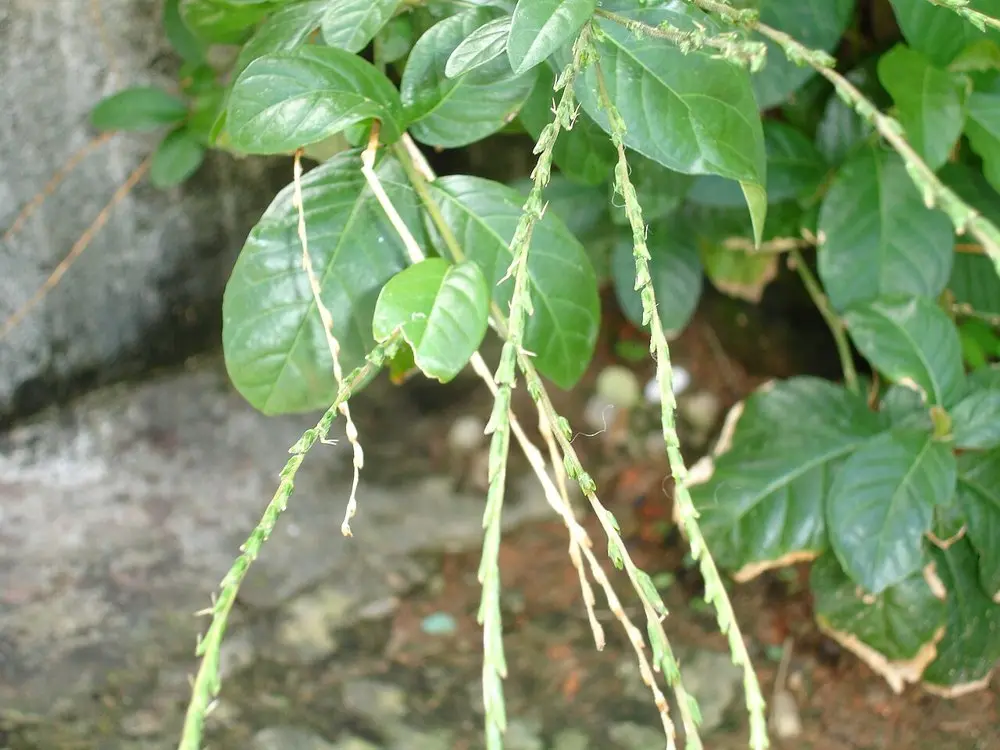
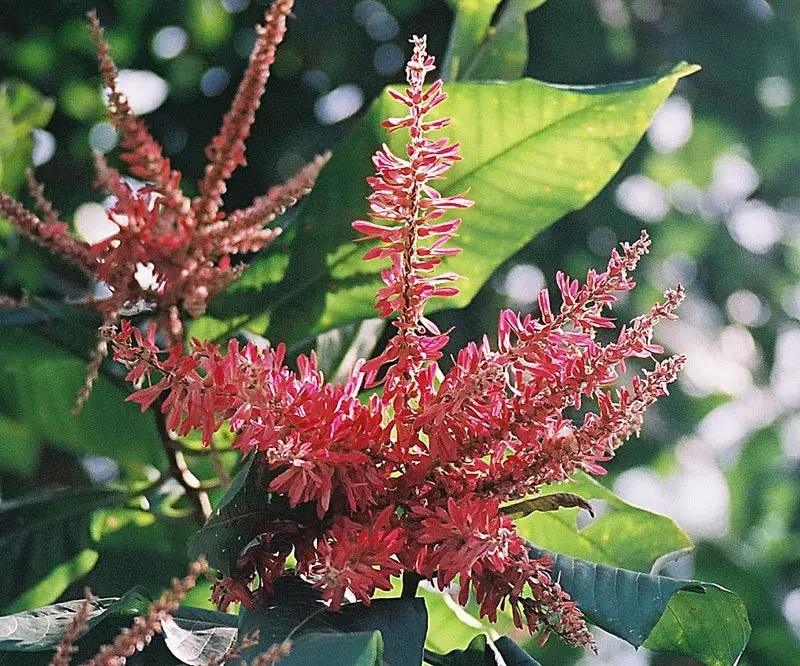
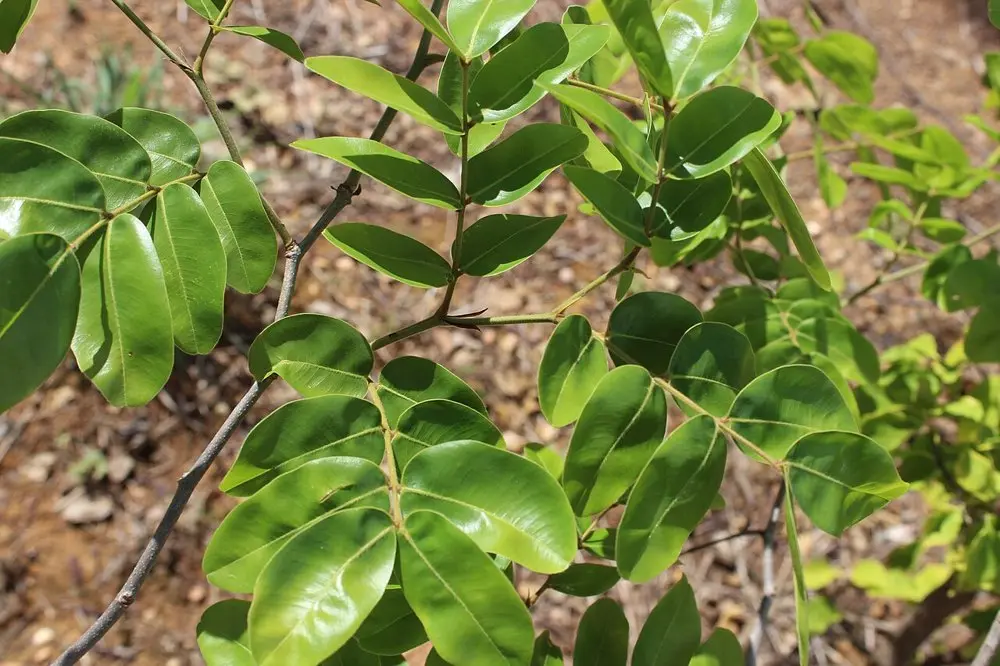
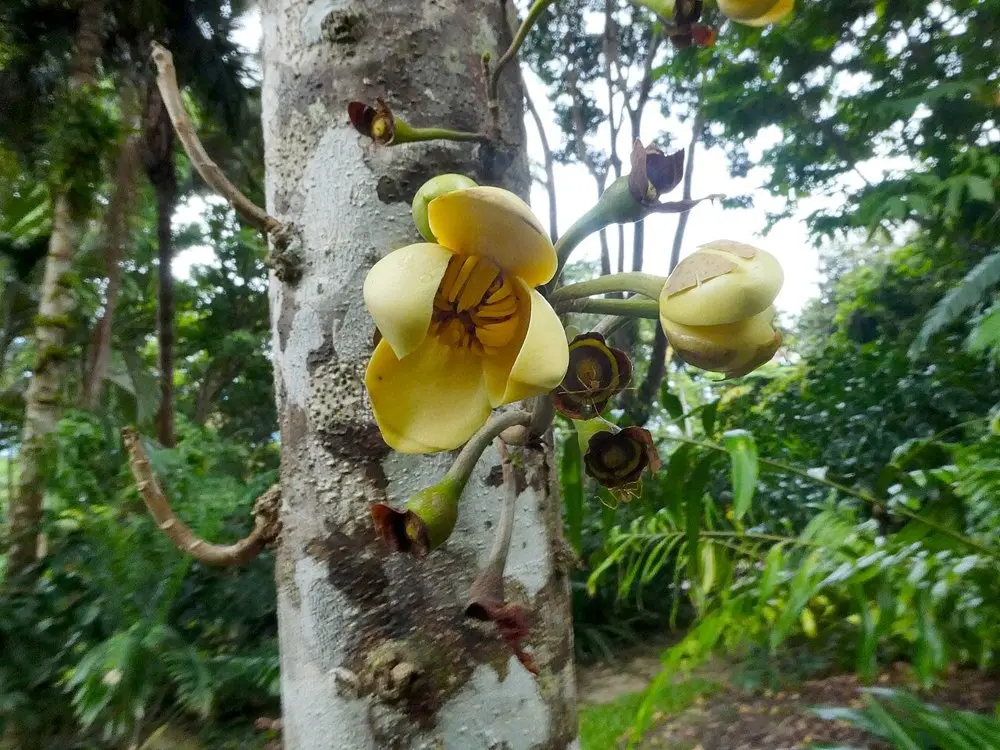
“Tree of discipline” · Tangarana · Triplaris

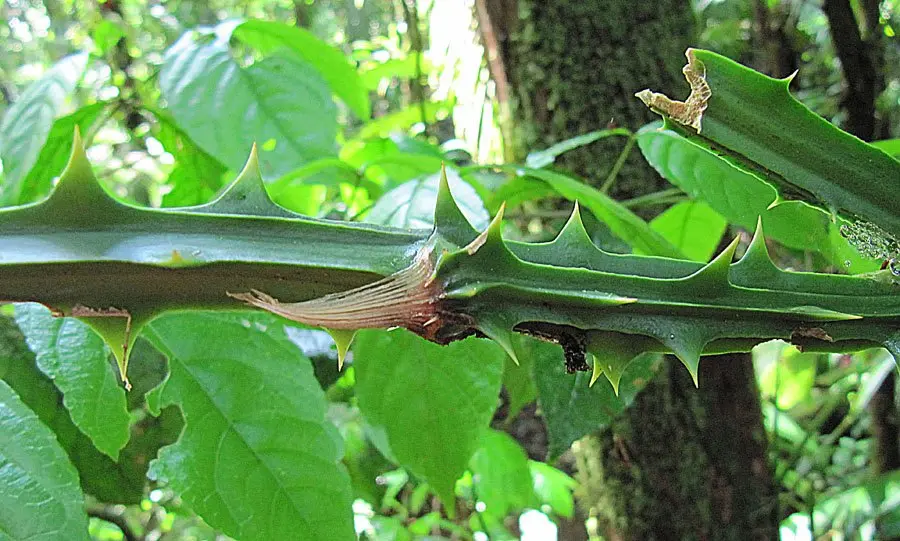
A giant tree that lives in symbiosis with fire ants and has a powerful cleansing energy.

Copaiba and sangre de grado

Copaiba and sangre de grado

Copaiba · Sangre de Grado · “Dragon’s blood”

Healing tree resins: traditionally they are used for the lining of the digestive tract and for wounds. Copaiba drops in the nose are used to clear the sinuses.

These resins are taken only after all the dietas at the center are finished, as “homework” and a disciplining element of the half-dieta. They must not be combined with the dieta herbs at the center, and the dosage should be followed carefully so as not to overload the digestion.

Sacha mango

Sacha mango

“Magic nasal drops” · Sacha Mango

The juice of a grated wild mango seed is dripped into the nose: traditionally it is used to cleanse the nasopharynx, bronchi and sinuses.

Piñón colorado and other shrubs

Piñón colorado and other shrubs

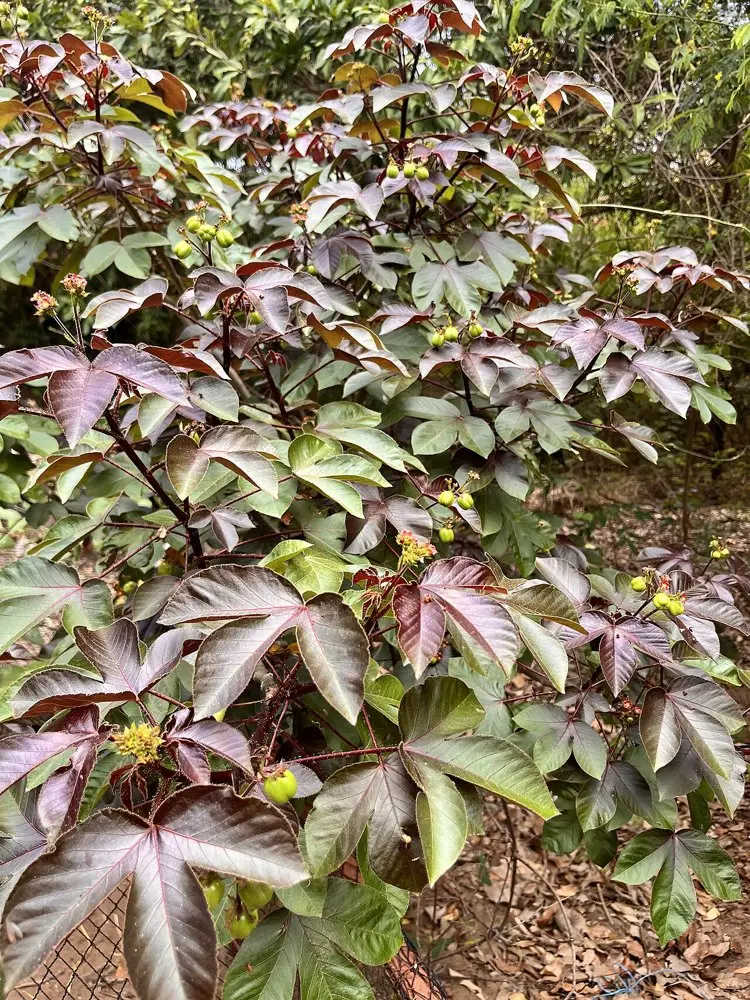
Piñón Colorado · Bobinzana · Tahuarí · Uña de Gato

The maestro points to the piñón shrub as an example of selfless giving in nature: even when every last leaf is picked from it for people, it does not wither but, thanks to its healing milky resin and its total service, grows its leaves back and blooms.

According to the maestro, bobinzana opens the heart center, while tahuarí and uña de gato (“cat’s claw”) alkalize the body and support immunity.

Leaves, fruits and other plants

Sacred leaves of the Andes and the Amazon, fruits, herbs and plants from other places.

Coca and cacao

Coca and cacao

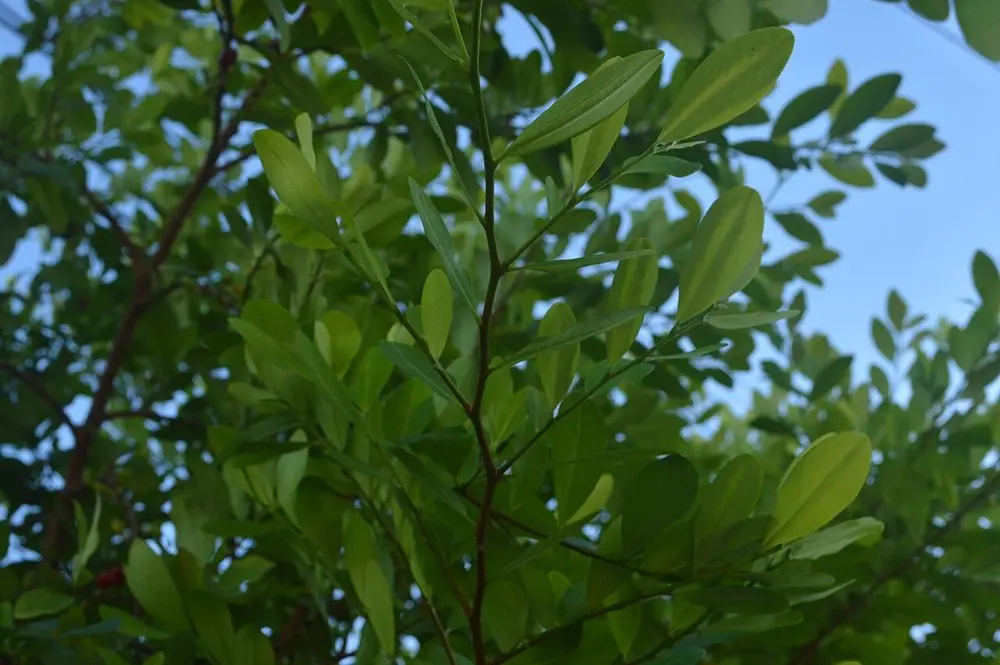
Coca · Cacao

At Dos Mundos we honor and carry out the full sacred cycle of attunement with cacao and the sacred coca leaf, with its own rules for the coca dieta and water treatments (a shower) after the sessions, to harmonize fire and subtle perception.

The masters remind us with humor that to open the heart center you do not have to look for magic chocolate; it is enough to love and hug your partner sincerely. And for every chakra, the center has dozens of plants.

Guayusa, basil, lemon and jabón huasca

Guayusa, basil, lemon and jabón huasca

Guayusa · Albahaca · Dieta de limón · Jabón Huasca

Guayusa is an Amazonian shrub that relieves fatigue and raises energy levels. At the center it is available as a powder, but as a full dieta it is a very strict plant: it waits for a person who is prepared.

The lemon dieta is an alkalizing remedy for the liver and blood vessels. Wild basil and the soap vine (jabón huasca) are individual remedies for fine-tuning and cleansing.

Mallow, stevia, pitahaya and papaya

Mallow, stevia, pitahaya and papaya

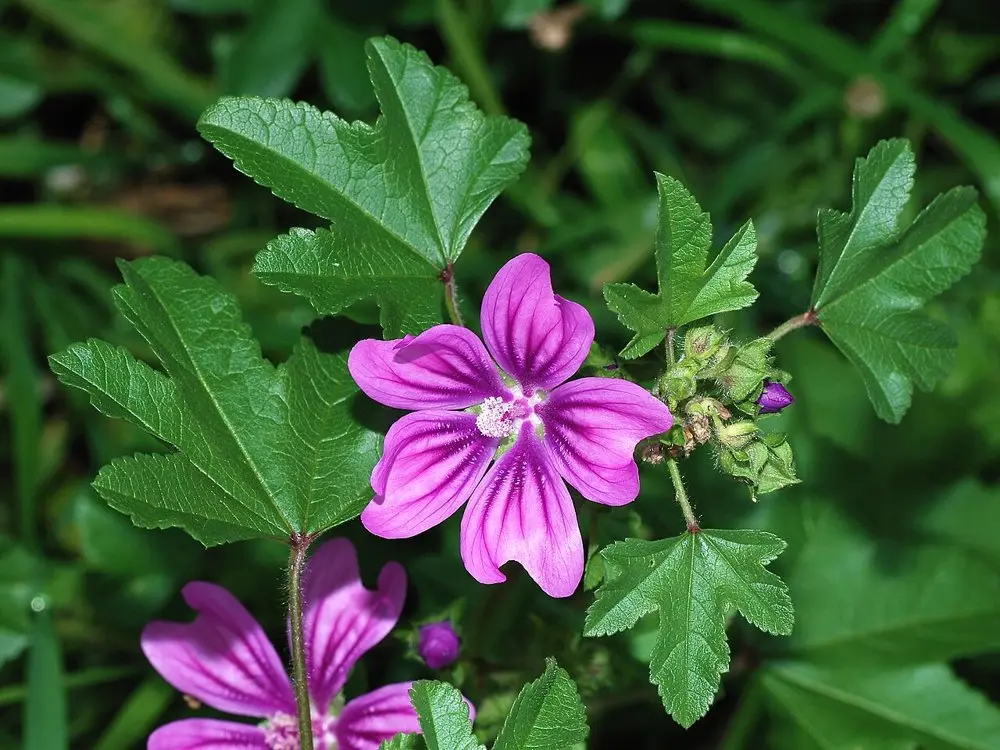
Malva · Estevia · Pitahaya · Papaya

Mallow and stevia are natural anti-inflammatory remedies.

The lesson of the cut tree: we are used to choosing only perfectly green lettuce leaves at the market and throwing away the slightly yellowed ones. The maestro explains: when a plant is under stress, or a tree has been cut into and senses the end of its cycle, it mobilizes all its strength, proteins and reserves in order to survive. In his words, it is precisely these “stressed,” slightly yellowed leaves that hold a concentrated “elixir of survival,” which works as a catalyst for self-healing.

Matico, muña and tocosh

Matico, muña and tocosh

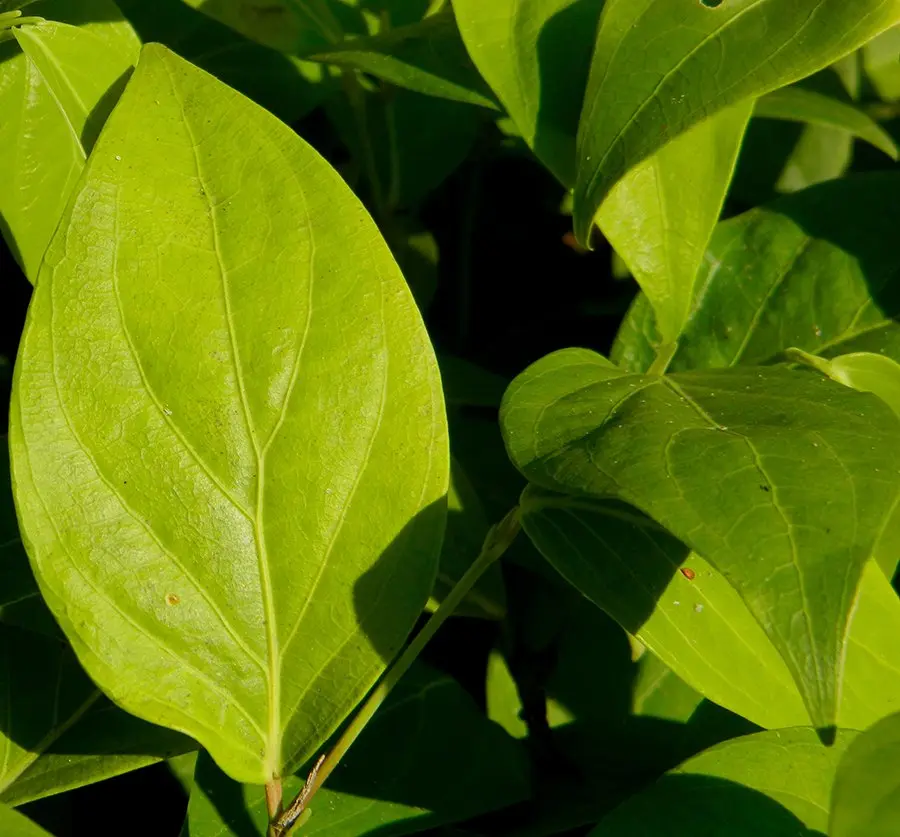
Matico · Muña · Tocosh · “Peru’s antiviral pharmacy”

Peru’s folk “pharmacy”: a blend of matico leaves, chamomile, garlic, ginger, oregano, eucalyptus, the mountain herb muña and lemon is traditionally used for colds and respiratory infections.

Tocosh is potato fermented in running water. It is considered a natural counterpart to penicillin.

San Pedro, kambo and plants of other latitudes

San Pedro, kambo and plants of other latitudes

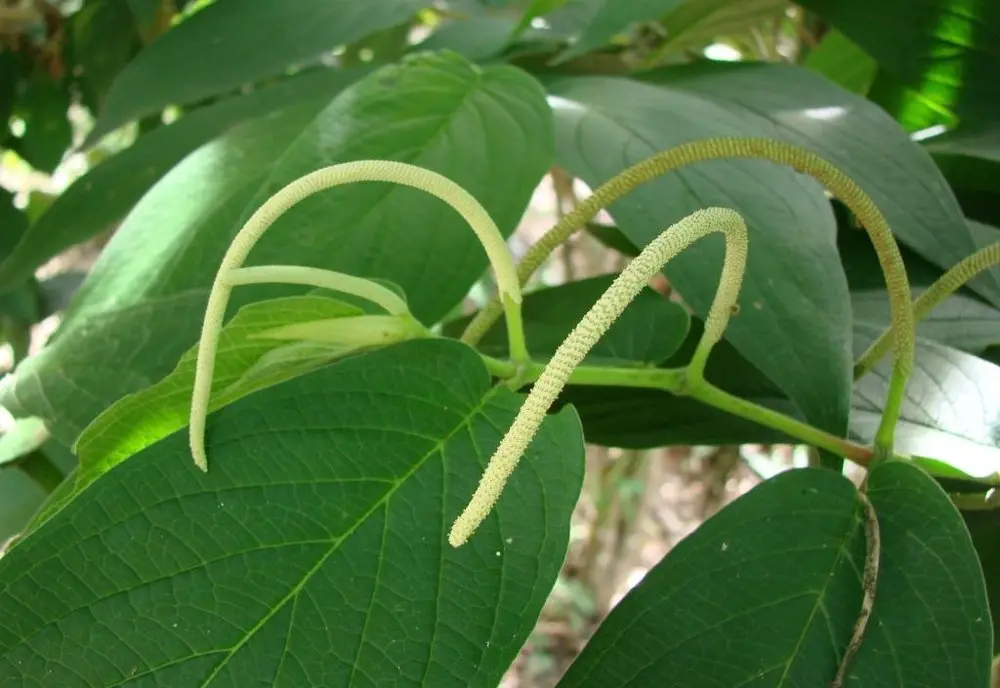
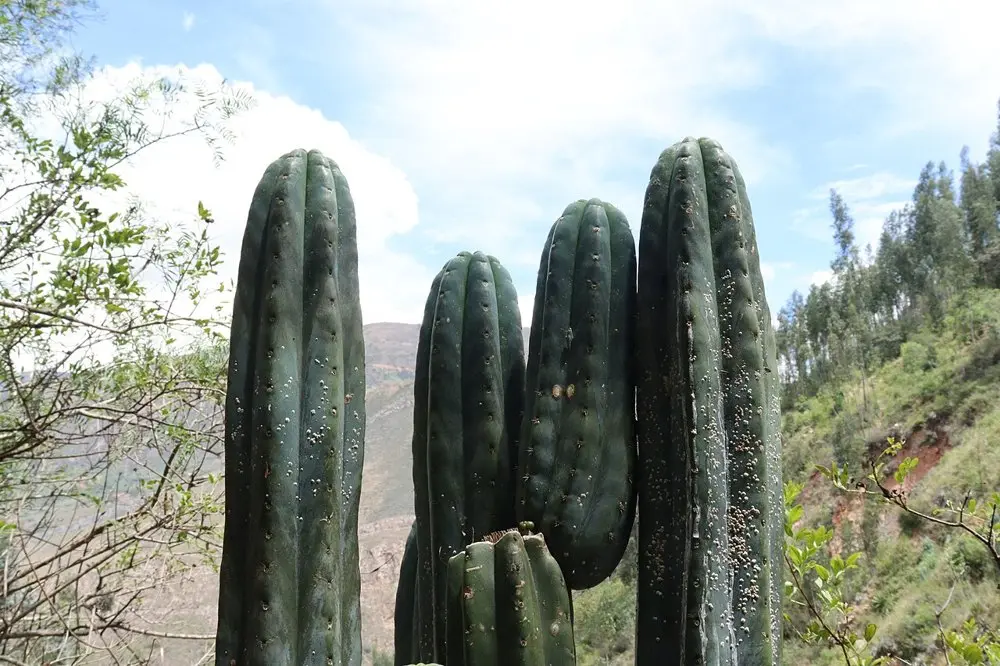
San Pedro · Huachuma · Kambo

San Pedro (huachuma) and kambo are used selectively, according to what the maestro senses for each person.

Plants of Russia and Europe (oak, birch, bird cherry, mistletoe, acacia) and of the Southern Cone (eucalyptus, araucaria) work through a universal vibrational code, provided there is a heart connection with the plant.

At our center

The center does not approve of the uncontrolled use of mushrooms and synthetic substances: according to the maestro, without a protected field they open the energy structure to parasites or lead into artificial low-frequency “portals.”

Other plants and remedies

Herbs, fruit, barks and treatments from the center’s apothecary. Prescribed by the maestro according to each person’s condition.

Achiote

Annatto

Leaves and seeds of the shrub. Traditionally used as an anti-inflammatory for the kidneys, prostate and mucous membranes. The red seed paste is used in traditional ayahuasca tea ceremonies.

Aguaje

Aguaje

Fruit of a palm, a source of phytoestrogens and vitamins A, C and E. Traditionally used to support the female hormonal system.

Ayahuma

Ayahuma

Bark and fruit of a teacher tree. According to the maestro, they give deep energetic protection and strengthen the physical body.

Aloe vera

Sábila

Fresh gel, on its own or together with sangre de grado. Gently cleanses the digestive tract in the morning and supports its lining.

Balsamina

Balsamina

A blend of herbs taken as a decoction in the morning, at midday and in the evening. Traditionally used to cleanse the blood and support the liver and pancreas.

Camu-camu

Camu-camu

Fruit, fresh or as a powder. A record-holding natural source of vitamin C, to support immunity and blood vessels.

Chanca piedra

Stone breaker

An herb used as a water infusion. Traditionally used to gently clear sand and stones from the kidneys and gallbladder.

Clavo huasca

Clavo huasca

A woody liana. It warms the body and is traditionally used for muscle and joint pain and to restore reproductive energy.

Cordoncillo

Piper

Leaves and stems. Traditionally used as an anti-inflammatory, wound-healing and antibacterial remedy.

Guanábana

Soursop · Graviola

Leaves and fruit. Traditionally used as antiparasitic support and to gently calm the nervous system.

Guaraná

Guaraná

Seeds used as a powder. A natural tonic drink for the blood vessels and vital energy that does not exhaust the nervous system.

Guayaba

Guava

Leaves and young shoots (cogollos). Traditionally used to restore the gut flora and for digestive upsets.

Guisador

Amazonian turmeric

Root or powder. A traditional anti-inflammatory that supports the liver, cleanses the blood and helps the joints.

Huacapurana and huayracaspi

Huacapurana · Huayracaspi

Bark of jungle trees. Traditionally used for the musculoskeletal system and to draw out excess wind and cold.

Huito

Genipa

Fruit and extract. Traditionally used to support the bronchi and lungs, for anemia and to strengthen immunity.

Icoja and iporuro

Icoja · Iporuro

Bark and roots. Traditionally used for the joints, ligaments and spine.

Jergón sacha

Jergón sacha

Tuber of an Amazonian plant. Traditionally valued as a strong antiviral and immune-modulating remedy.

Murure

Murure

Bark and latex of the tree. According to the maestro, they deeply cleanse the bones and joints of cold and salts. One of the “four trees,” together with chuchuhuasi, cumaceba and uña de gato.

Noni, papailla and purple sachapapa

Noni · Papailla · Sachapapa morada

Fruit and tubers. Traditionally used as antioxidant support for the body.

Paico and white piñón

Paico · Piñón blanco

Herb and seeds or sap. Traditionally used to gently cleanse the intestines of parasites — the light morning “purges” — and to support the digestive lining.

Piri piri de víbora and retama

Piri piri de víbora · Retama

Roots and flowers. Traditionally used to support the liver and bile ducts and to cleanse the blood.

Ubos and cat’s claw

Ubos · Uña de gato

Bark and liana. Traditionally used to support immunity, ease the joints and digestive tract and renew cells.

Ajo esquiro

Ajo esquiro

A plant of the rainforest. Used for a special energetic and physical cleansing of the blood vessels and channels.

Citrus peel

Cáscara de cítricos

Dried and ground peel. Traditionally used for the blood vessels, digestion and the tone of the nervous system.

Neem and moringa

Nim · Moringa

Leaves and infusions. Traditionally used as antiparasitic and vitamin support.

Granadilla and green plantain water

Granadilla · Agua de plátano

Drinks prepared at the center during a dieta. They gently support the digestive lining, electrolyte balance and the heart.

Flowering bath

Baño de florecimiento

A bath of Amazonian, Andean and coastal herbs. Used to cleanse and renew the aura and harmonize the chakras. These baths are part of the New Year program in the jungle.

Green lime dieta

Dieta del limón

A course of freshly squeezed Peruvian lime juice, building up from one to 12–15 limes a day and back down, followed by a seven-day pause. About 300 limes over 37 days. Traditionally used to alkalize the blood and cleanse the vessels. Prescribed only by the maestro.

This is an account of the tradition and the maestro’s experience, not medical advice. The plants are not to be taken on your own: if you take medication or have a health condition, please talk to us before you travel.

Plant photos — Wikimedia Commons: Ayahuasca — Anthony Baratier, CC BY-SA 4.0; Ojé — Titha62, CC BY-SA 4.0; Uchu sanango and chiric sanango — Carlo Brescia, CC BY-SA 4.0; Ajo sacha — 阿橋 HQ, CC BY-SA 2.0; Sarsaparilla (zarza) — Dick Culbert, CC BY 2.0; Chuchuhuasi — Kristi Denby, CC BY-SA 4.0; Toé — পাপৰি বৰা, CC BY-SA 4.0; Renaco and renaquilla — Guillermo Carlos Gómez, CC BY-SA 4.0; Manchinga and llanchama — David J. Stang, CC BY-SA 4.0; Asaí and huasaí — Decio Horita Yokota, CC BY-SA 3.0; Abuta — Krish Dulal, CC BY-SA 3.0; Mucura — Toluaye, Public domain; Tangarana — Dick Culbert, CC BY 2.0; Copaiba and sangre de grado — Mateusbotanica2020, CC BY-SA 4.0; Sacha mango — Steve Fitzgerald, CC BY-SA 4.0; Piñón colorado and other shrubs — ForestGump1, CC BY-SA 4.0; Coca and cacao — Danna Guevara, CC BY 4.0; Guayusa, basil, lemon and jabón huasca — Pisofrix, CC BY-SA 4.0; Matico, muña and tocosh — João Medeiros, CC BY 2.0; San Pedro, kambo and plants of other latitudes — Carlo Brescia, CC BY-SA 4.0; Mallow, stevia, pitahaya and papaya — Alvesgaspar, CC BY-SA 3.0; cacao — Bernard Gagnon, CC BY-SA 3.0.

Would you like to do a dieta?

Write to us and we will tell you how to prepare and how the maestro chooses the plants.