
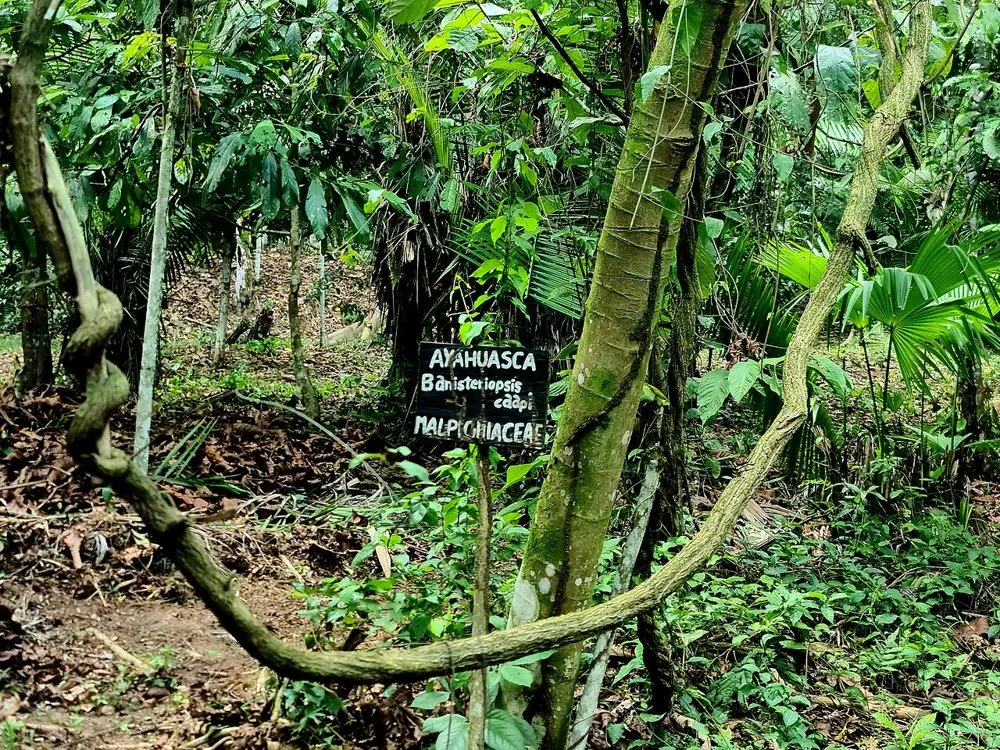
Ayahuasca
Banisteriopsis caapi
A vine taken pure here, with nothing added: raw, and as the “tea of the ancestors.”
Plant dietas
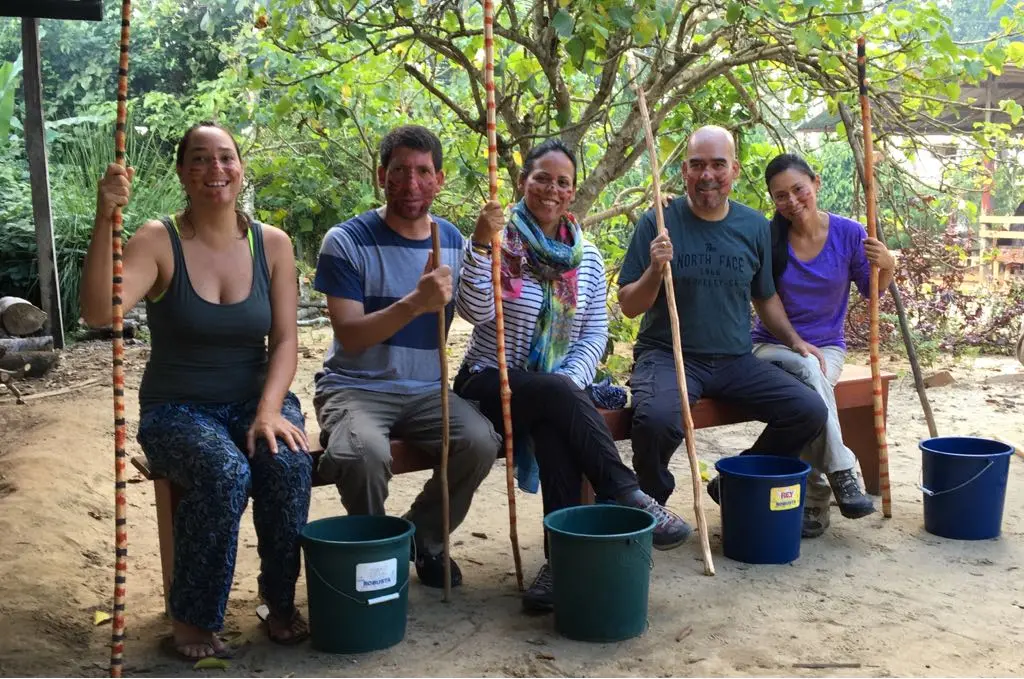
A dieta is a period of solitude that a person devotes to letting the energy of a plant enter their body and become their own.
You can diet many things — from the great trees of the rainforest to a simple herb. What matters is not the quantity but silence, attention and gratitude.
Don Pepe explains it this way: a plant has no mind, no desires and no inner conflicts — its energy is even and neutral. Beside it, a tired person falls back into tune, like an instrument tuned to a tuning fork.
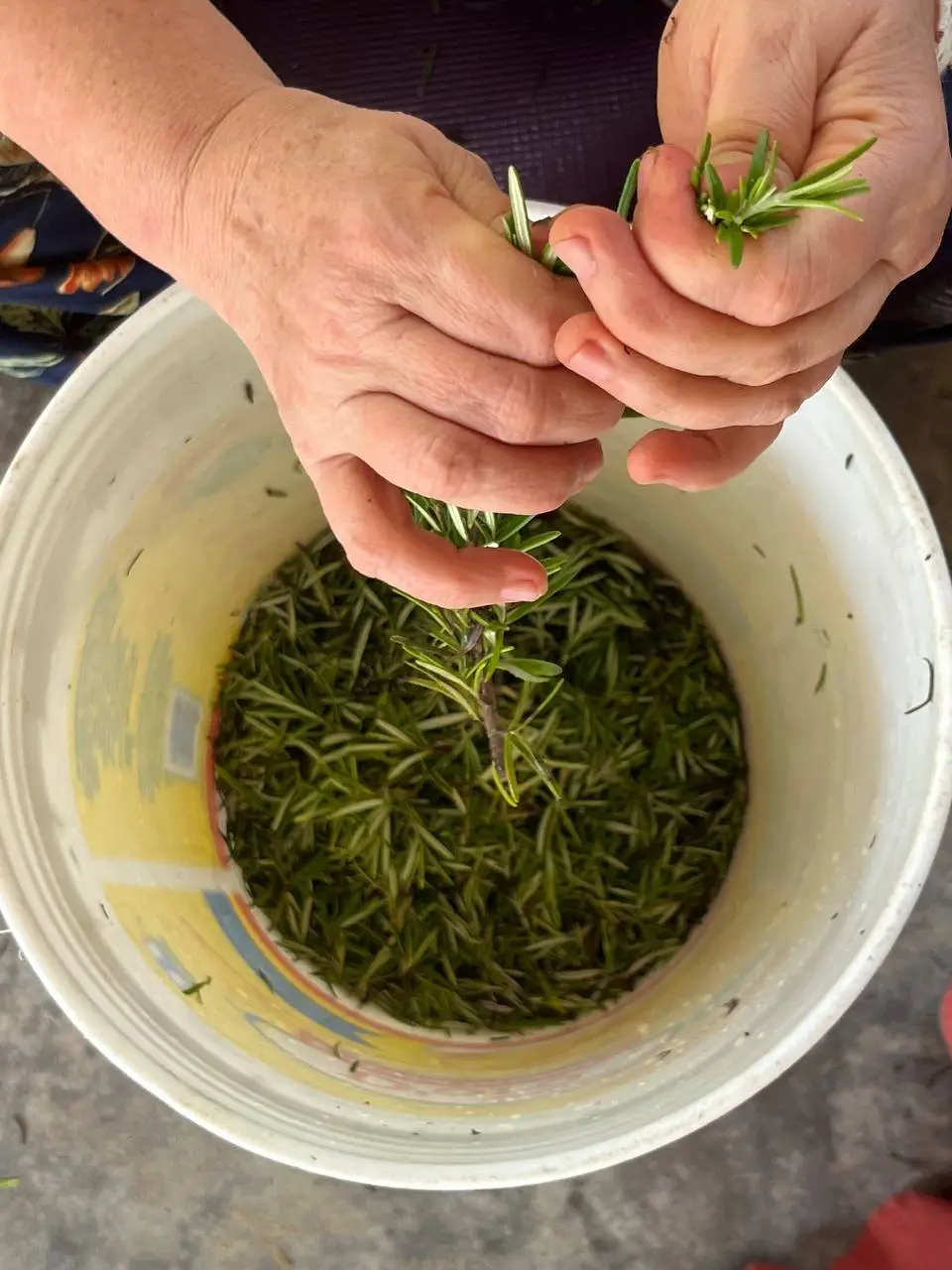
«Treat the plant as you would someone you love — you have to fall in love with it.»Don Pepe
Dietas follow a sequence, the way a house is built: first the plot is cleared, then the foundation is laid, the beams and the roof go up, and only then comes the finishing. The maestro decides personally what you need and when. Below is the general scheme as don Pepe describes it.
Ayahuasca · Ojé
Ayahuasca is the main cleanser: according to the maestro, it burns out astral parasites, “chips” and mental noise and helps restore neurons and the lining of the digestive tract. The center’s collection includes nine varieties: Cielo, Trueno, Relámpago, Black, Yellow, Red, Muun, Tuau and Yagé. A dieta with raw vine, lasting 9 to 21 days, is also practiced. The resin of the ojé tree is traditionally used to cleanse the body of parasites and of years of accumulated medication, and to purify the blood and lymph. Ayahuasca is usually taken on the 7th day after ojé, and during the course lemon and direct sun are not allowed.
Ajo sacha · Uchu sanango
This paired dieta of two “hot” plants is given to most guests — up to 90% of them. It drives deep cold out of the bones and joints, clears the energy and vascular channels, takes the load off the liver and supports the nervous system and eyesight.
Chiric sanango
The “plant of unconditional love.” According to the maestro, it draws age-old cold out of the bones — sometimes with chills and a slight numbness of the lips and fingers — reboots the nervous system, helps release fear, anger and sadness, connects the Hara center with the heart and opens the way to prophetic dreams.
Sarsaparilla
A powerful regenerator of cells, blood vessels and neurons, especially after severe addictions and exhaustion. It rejuvenates, stimulates collagen production and purifies the blood. It is taken as a cold extract of raw root on a strict dieta or as a decoction on a half-dieta. The plant keeps working in the person’s field for three months to a year.
Four trees · Camalonga · Manchinga
Chuchuhuasi, cumaceba, murure and uña de gato strengthen the spine, bones, joints and cartilage, alkalize the blood and support immunity and the reproductive system. Camalonga — a water infusion made with an equal number of male and female seeds — balances male and female energies, rejuvenates the liver and clears the most persistent “chips.” The resin of manchinga (llanchama) regenerates cartilage and forms an energetic “armor” that lasts for years.
Works with the pineal gland and the deep subconscious and switches off the mind’s excessive control. In a dieta with the root, it is traditionally used for the blood vessels and joints.
Opens up emotional blocks in the heart. Afterward the field is always closed with pure ayahuasca.
Releases old blocks in the abdomen and helps free a person from addictions, with a complete ban on smoking.
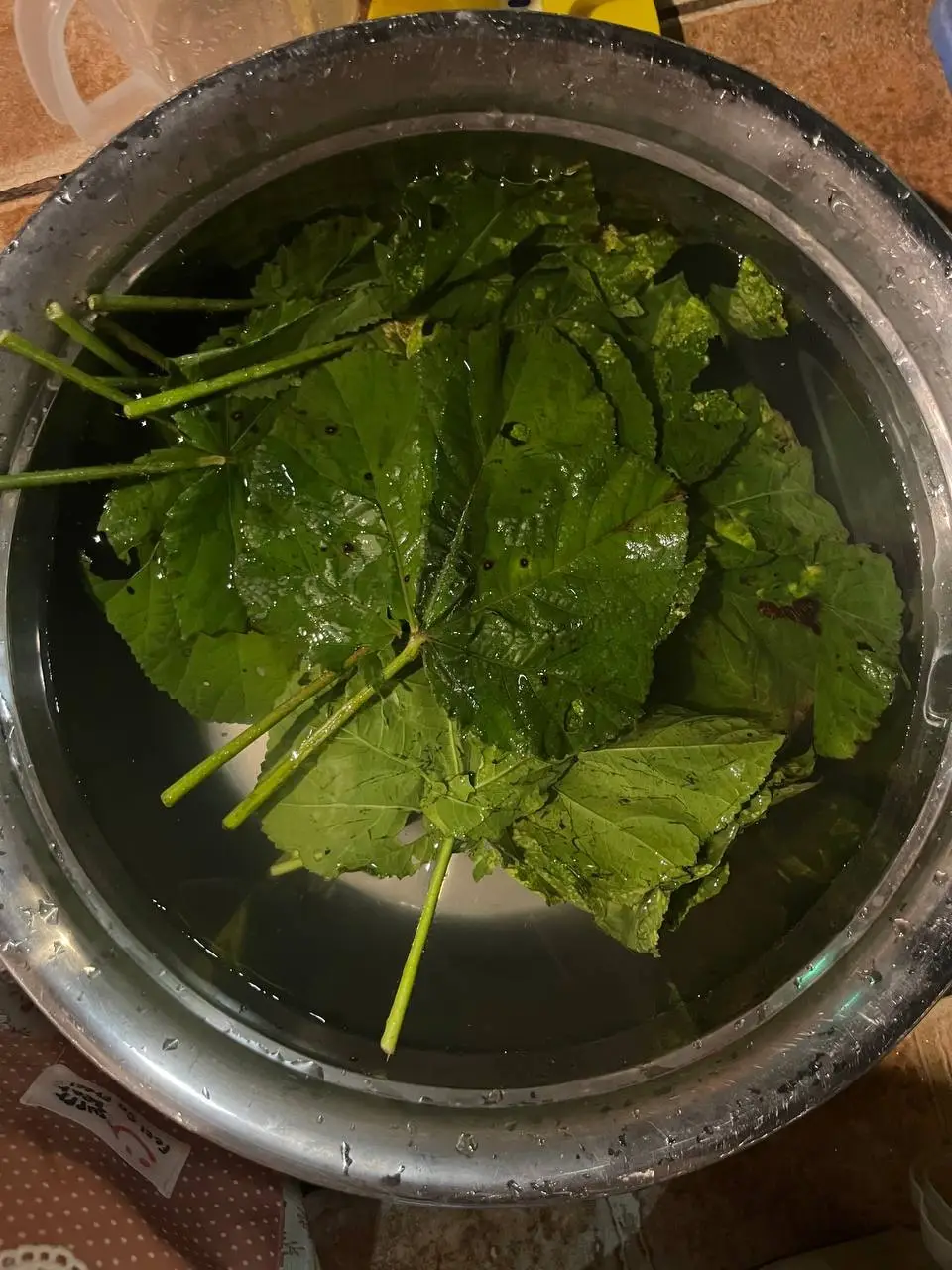
Most plants at Dos Mundos are given in their living form — as fresh juice, a cold infusion or resin, rather than a decoction boiled for hours.
Working this way is harder: it takes the constant attention of the maestro and his helpers. But the plant reaches the person just as it grew.
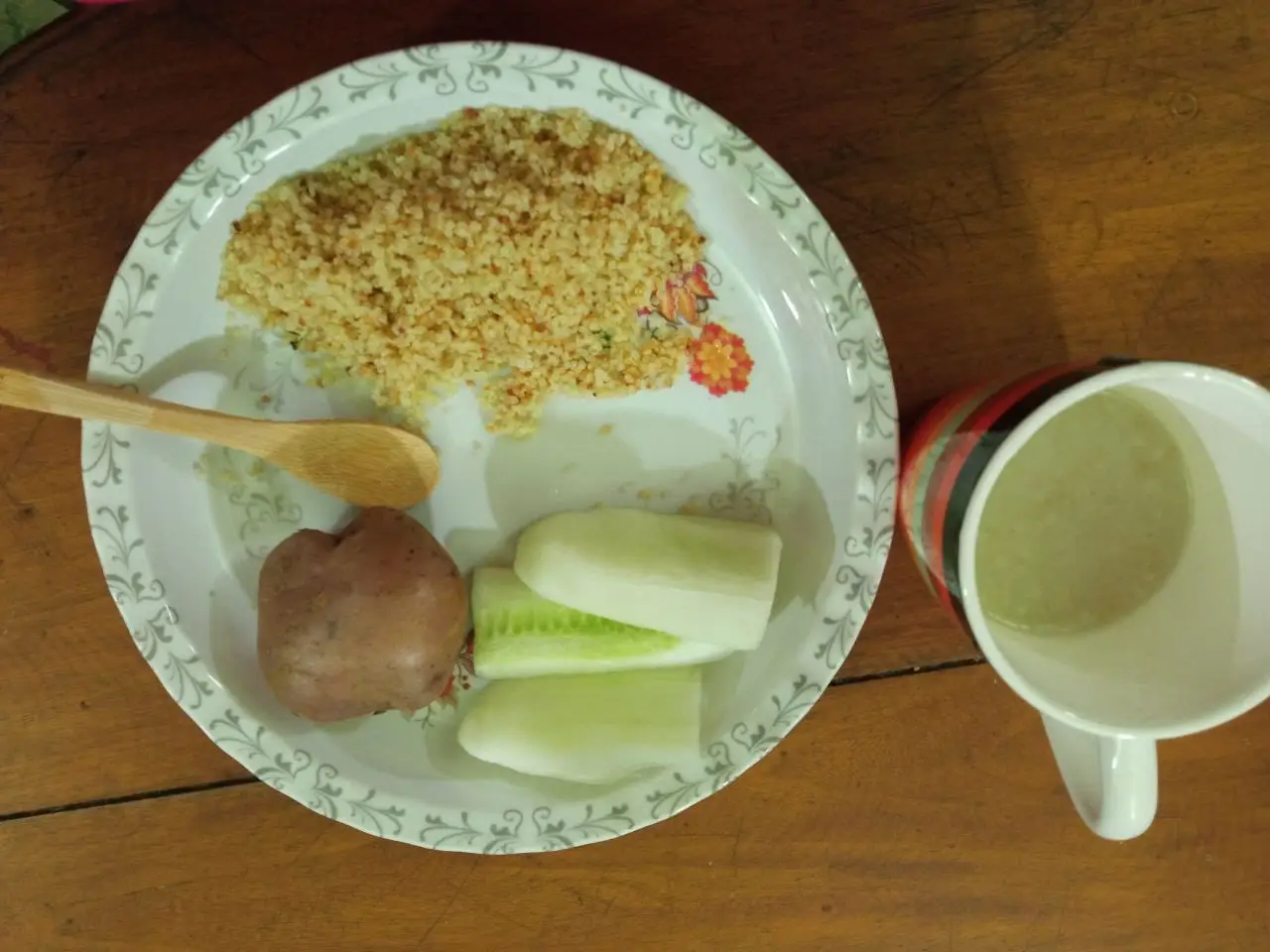
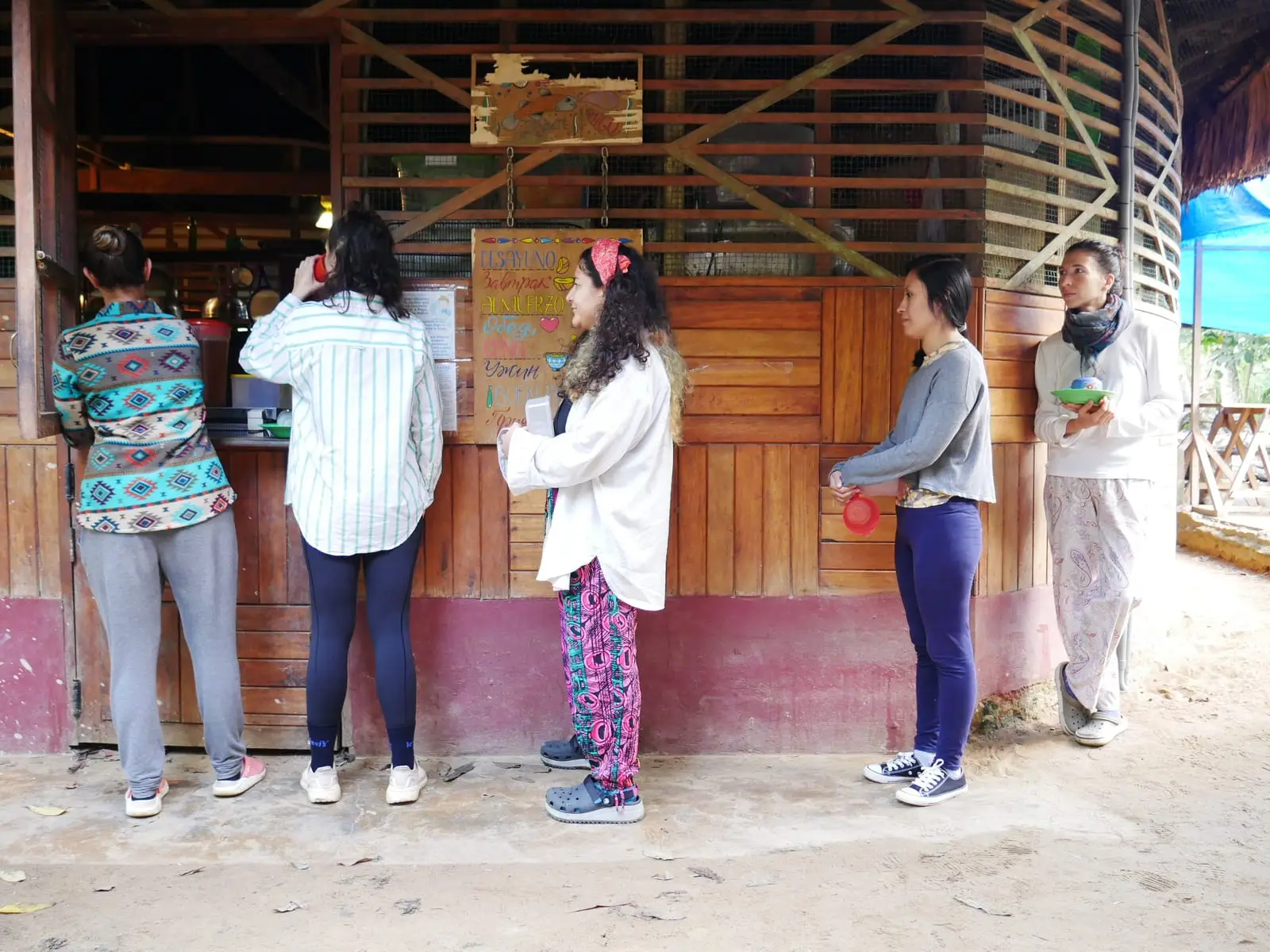
Food on a dieta is simple and warm, without salt, sugar, oil or spices. There is not much of it: it keeps up your strength without distracting the body from its work with the plant.
Menu with fish: river fish with scales (boiled or steamed), baked or boiled green plantain, potato, white rice and oatmeal cooked in water (mingado). Vegetarian menu: boiled quinoa, potato, baked green plantain, fresh cucumber, lettuce and oatmeal cooked in water.
A dieta is a time of seclusion and care. The rules protect the process and the person.
No touching other people, including hugs and handshakes, no sexual activity, no entering the shared dining hall, and no idle talk or gossip.
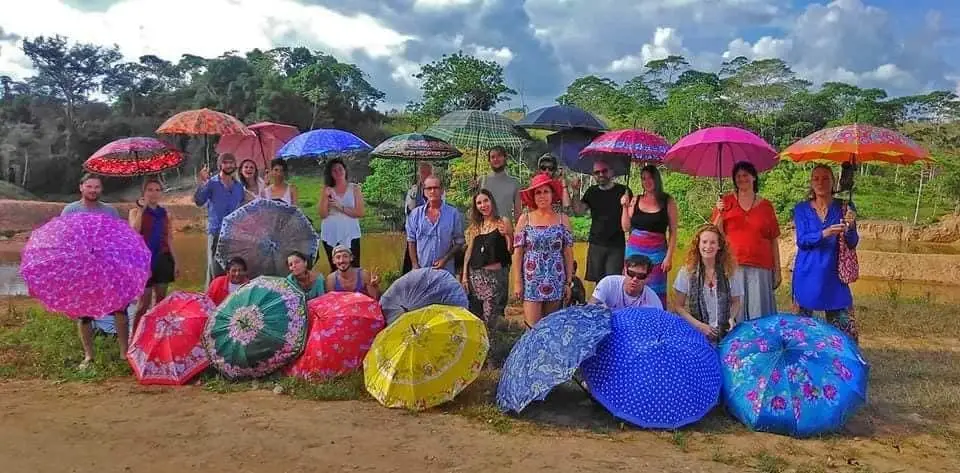
No direct sun or rain: you walk around the grounds only with an umbrella. No going near an open fire, drinking cold water or walking barefoot on a cold floor.
No perfume, deodorant, creams, repellent, scented soap or toothpaste. Keep away from smoke and chemical fumes.
Pork is given up for life: according to the maestro, it cancels out the effect of the sacred plants. Also no marijuana (including CBD, hemp oil and seeds), drugs or alcohol.
For the first 4 days after the dieta closes, eat small portions without raw fruit or sour food. For the next 2–3 months, and up to six after long dietas, avoid alcohol, hot peppers, white sugar, overeating and casual relationships.
A few of the plants we work with at Dos Mundos. What each person receives is always decided individually.
Banisteriopsis caapi
A vine taken pure here, with nothing added: raw, and as the “tea of the ancestors.”
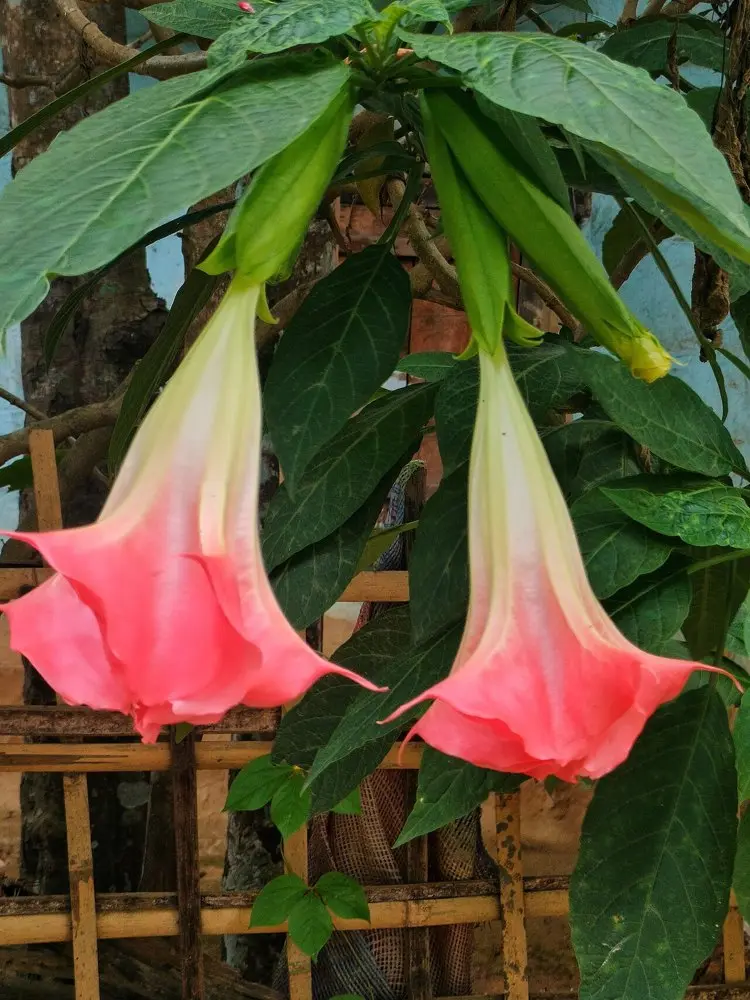
Brugmansia
A plant of subtle work. It is dieted only under the constant attention of the maestro.
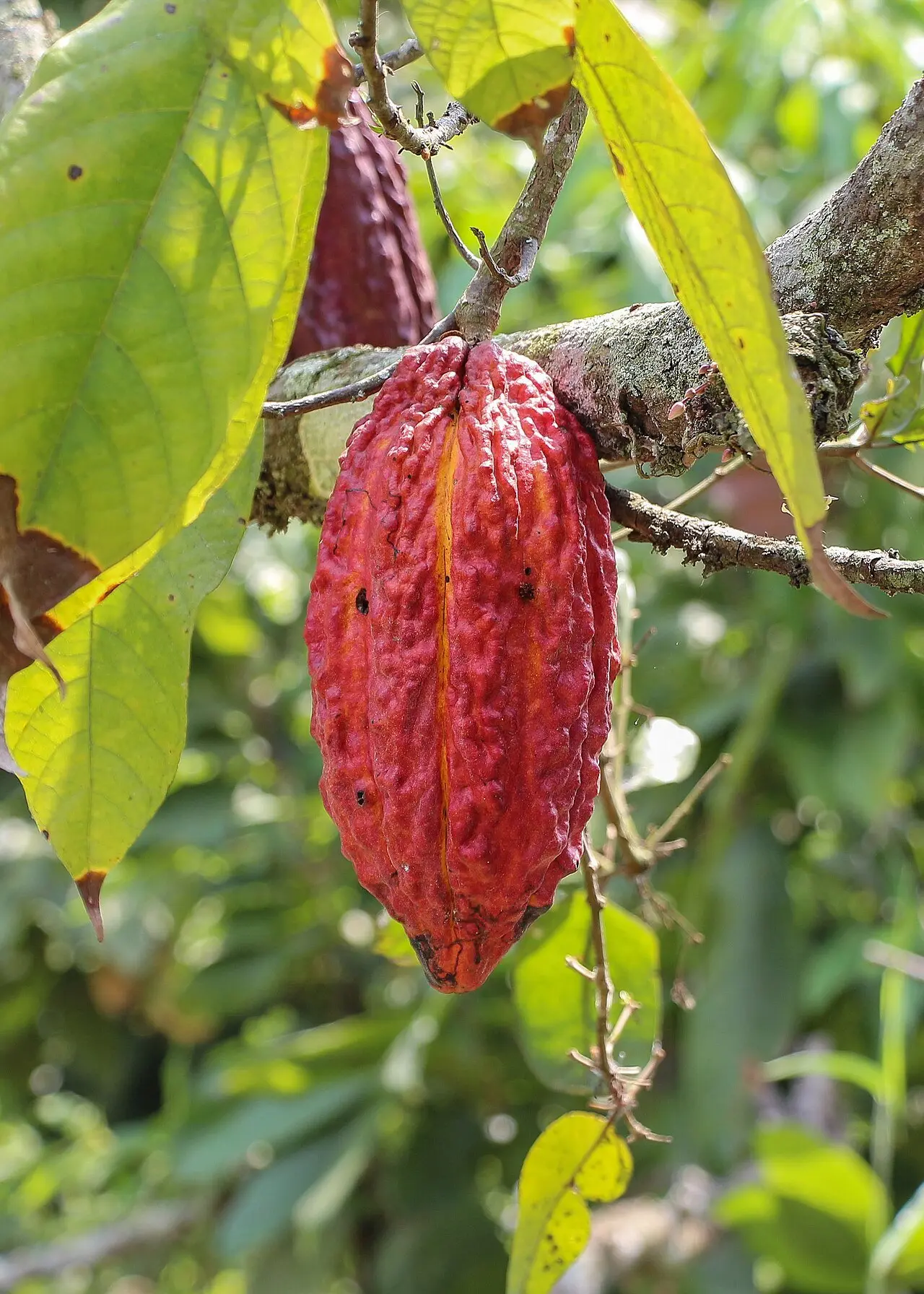
Theobroma cacao
It grows in the center’s garden alongside bananas, papaya and yuca.
Photos — Wikimedia Commons: Ayahuasca — Anthony Baratier, CC BY-SA 4.0; Toé — পাপৰি বৰা, CC BY-SA 4.0; Cacao — Bernard Gagnon, CC BY-SA 3.0.
Also
We do not promise miracles, and we are not a substitute for a doctor. Please talk to us before your trip about any medication you take, your health and how to prepare.
Whatever is left of the plant is not thrown away but returned to the earth with gratitude.
At home a “half-dieta” continues: the herbs and resins the maestro recommends, and a gentle routine without sudden changes.
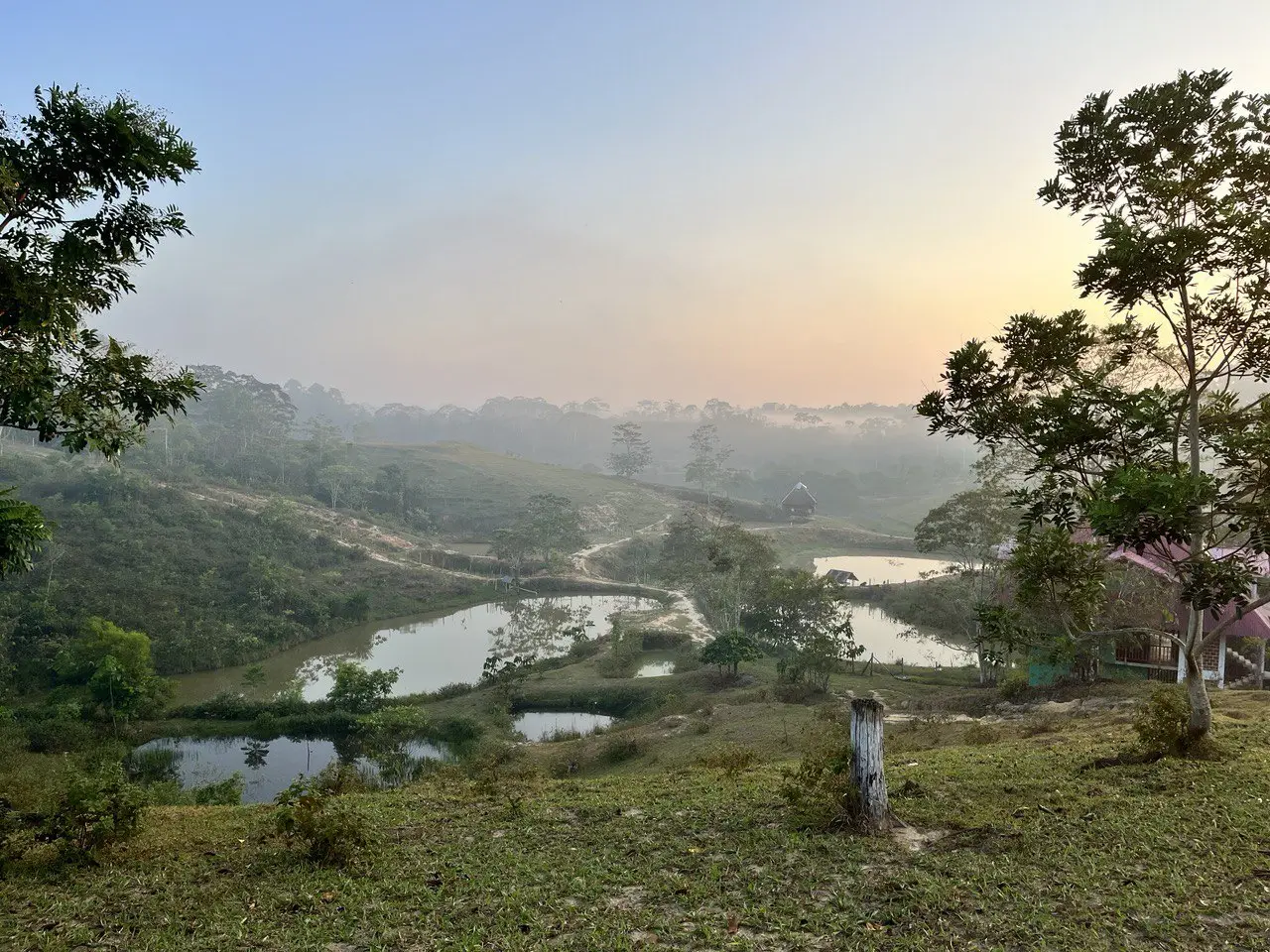
Write to us — we will tell you how to prepare, when it is best to come and how to get here from Lima.